The Raw Truth: What Ancient Wisdom and Modern Science Tell Us About How We Eat
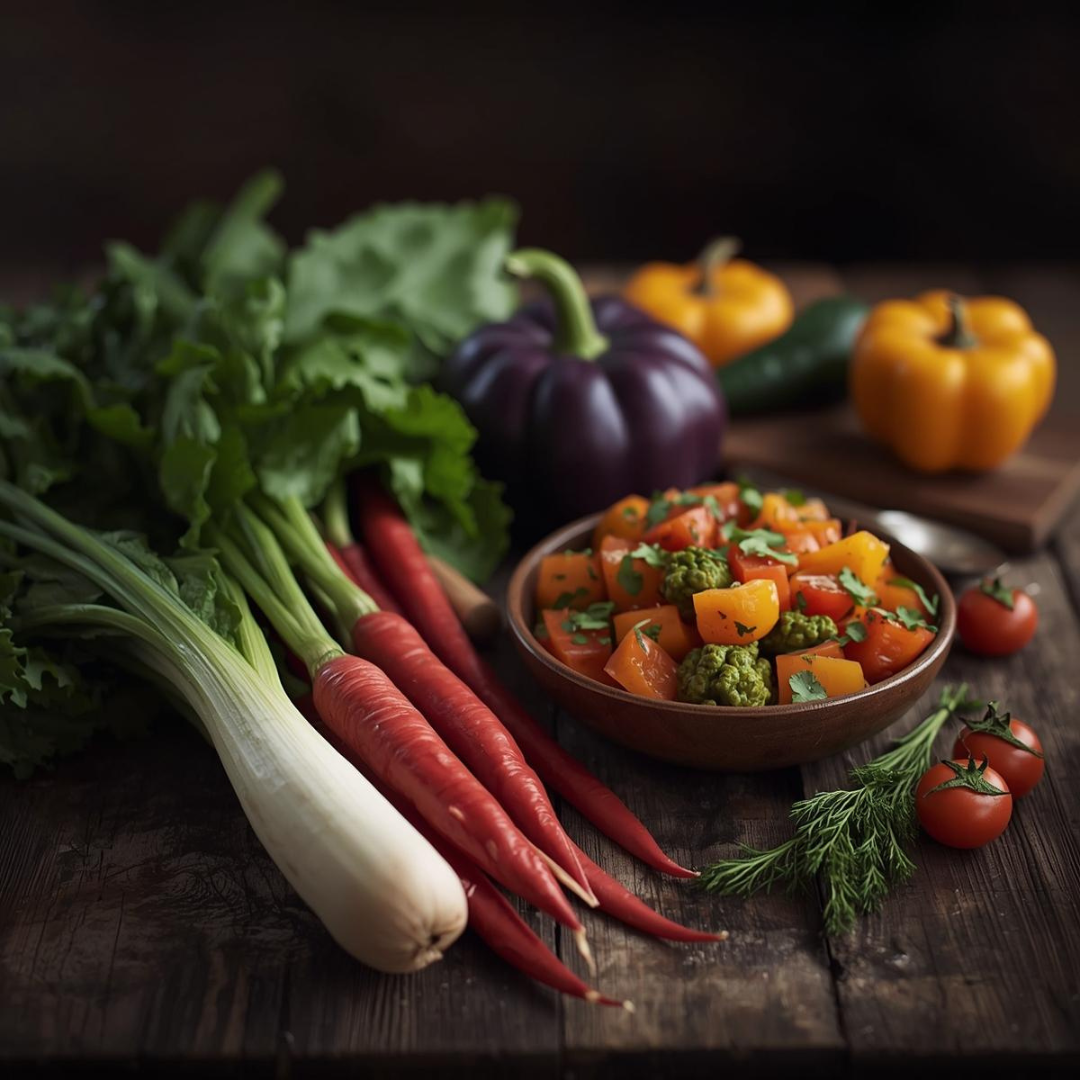
A Chinese acquaintance once told me something that stopped me mid-bite: “You Westerners eat everything raw. That’s why we outlive you.” I was holding a kale salad at the time, feeling virtuous about my leafy greens. His certainty made me wonder: could there be something to this?
The raw food movement promises enzymatic vitality and nutritional purity. Traditional Chinese Medicine advocates warming, cooked foods for digestive health. The Mediterranean diet, linked to some of the world’s longest-living populations, embraces both. Who’s right?
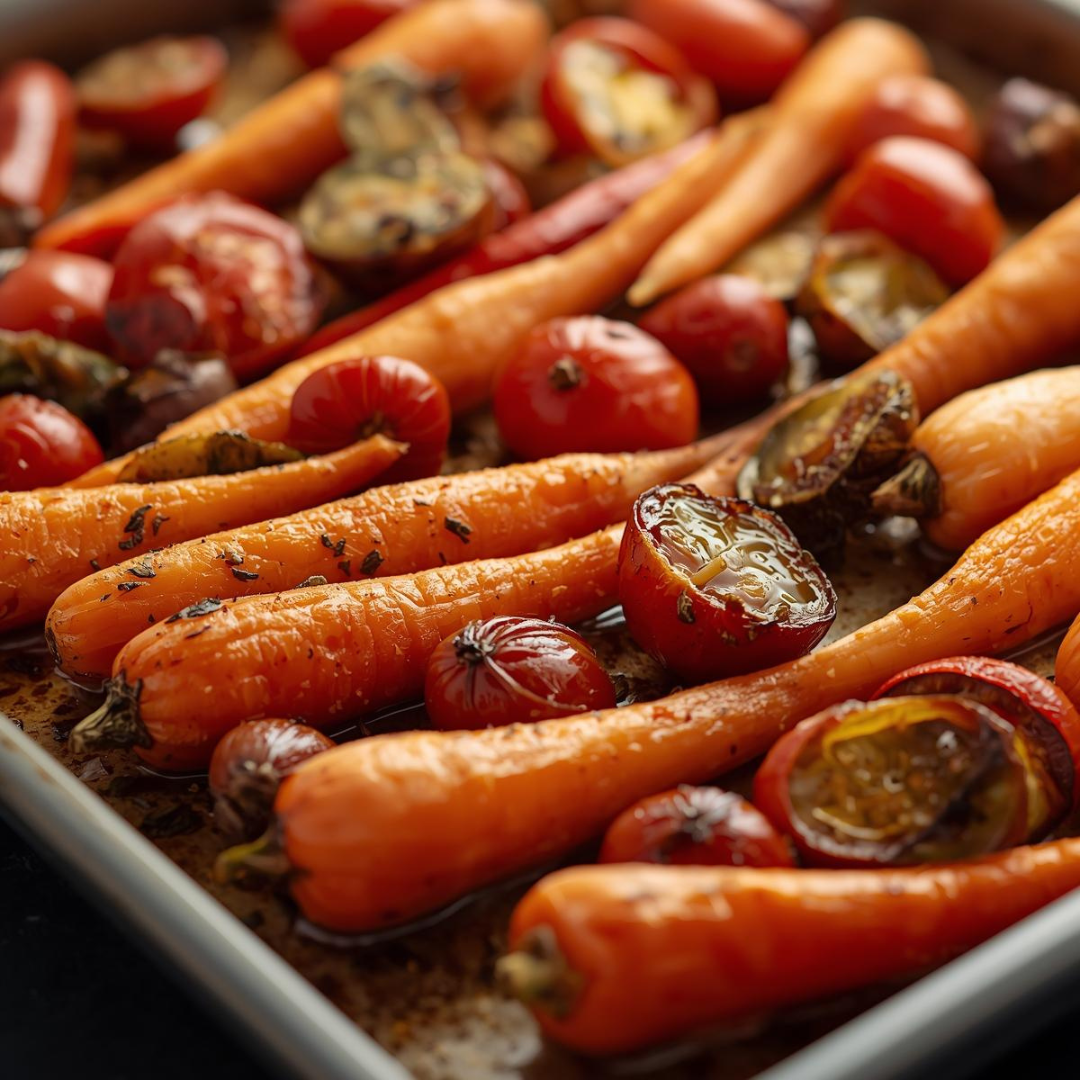
Here’s where it gets interesting. A 2020 study in The Journal of Nutrition found that while raw vegetables retain certain heat-sensitive vitamins like vitamin C, cooking actually increases the bioavailability of powerful antioxidants like lycopene in tomatoes and beta-carotene in carrots. Dr. Rui Hai Liu from Cornell University explains that “the thermal processing of vegetables increases the antioxidant activity even though there is a loss of vitamin C.” Our bodies can absorb more of what matters from that roasted red pepper than the raw one.
Yet raw food enthusiasts point to compelling evidence too. A study published in the European Journal of Clinical Nutrition showed that people consuming predominantly raw diets had lower inflammatory markers. The crunch comes with benefits: raw vegetables require more chewing, which slows eating and may improve satiety signals.
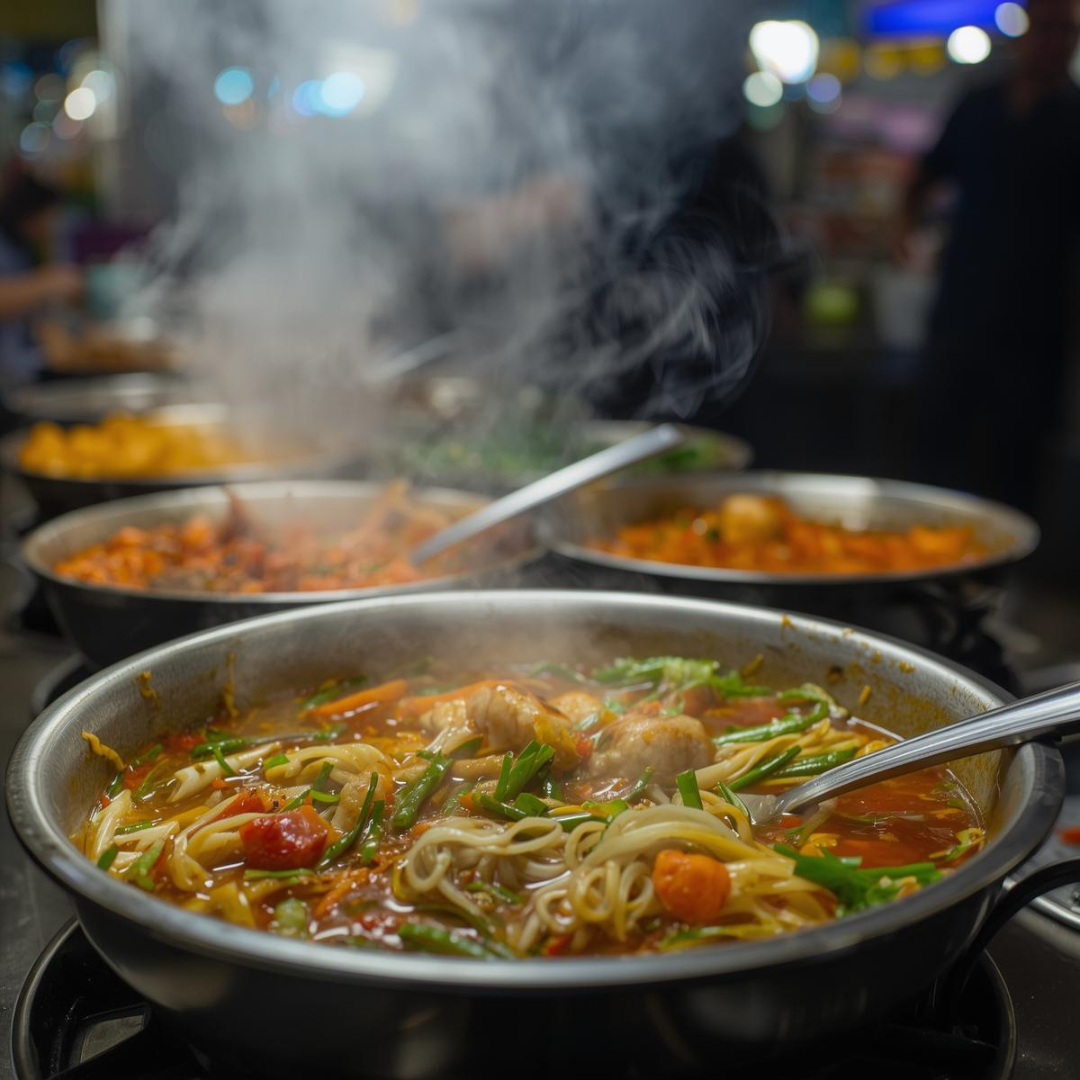
Traditional Chinese Medicine offers a third perspective rooted in thousands of years of observation. Foods aren’t just nutrients but energetic forces. Raw foods are considered cooling and harder to digest, requiring more metabolic fire to process. In winter or during illness, this taxation matters. Cooked foods are predigested by heat, making nutrients more accessible when our bodies need efficiency over effort.

The Blue Zones, regions where people routinely live past 100, offer real-world laboratories. Okinawans eat their vegetables cooked, often in stir-fries. Sardinians simmer their minestrone for hours. The Greeks drizzle olive oil over both raw tomatoes and roasted eggplant. None of these populations are dogmatic. They’re intuitive.
Which brings me back to my own experience. Those summer salad cravings weren’t random. When temperatures soar, our bodies naturally seek cooling, hydrating foods. Raw cucumber and watermelon make metabolic sense. Come December, my grandmother’s chicken soup isn’t just nostalgia. Warm, easily digestible foods support our bodies when cold weather demands more internal heat production.
Dr. Michael Greger notes in his nutrition research that “the healthiest dietary pattern seems to be one that’s predominantly whole food, plant-based, but the preparation method matters less than we think.” The longest-lived populations don’t stress about raw versus cooked. They stress about quality, variety, and eating with people they love.
Perhaps the controversy itself misses the point. A 2019 meta-analysis in Advances in Nutrition found that both raw and cooked vegetable consumption significantly reduced mortality risk, with no clear winner. The real losers? People eating neither.
Your body already knows what it needs. That summer salad craving or winter stew desire isn’t weakness or lack of discipline. It’s wisdom. The question isn’t whether raw or cooked is superior. It’s whether we’re listening.
I’m curious about your experience. Do you notice your body asking for different foods as seasons change? Have you watched family members thrive on approaches different from the ones you’ve been told are “best”? Maybe your Italian uncle who’s 92 and never met a raw vegetable he liked, or your yoga teacher who glows on her primarily raw diet?
The most radical thing we can do is stop fighting our bodies and start trusting them. Not blindly, but intelligently, informed by both ancient wisdom and modern science, aware that the answer might change with the weather, our age, our health, and simply what makes us feel most alive.
What’s your body telling you right now?
Written by Justine Reichman