From Plastics to Purpose Built Hydration: The Future of Reusable Products
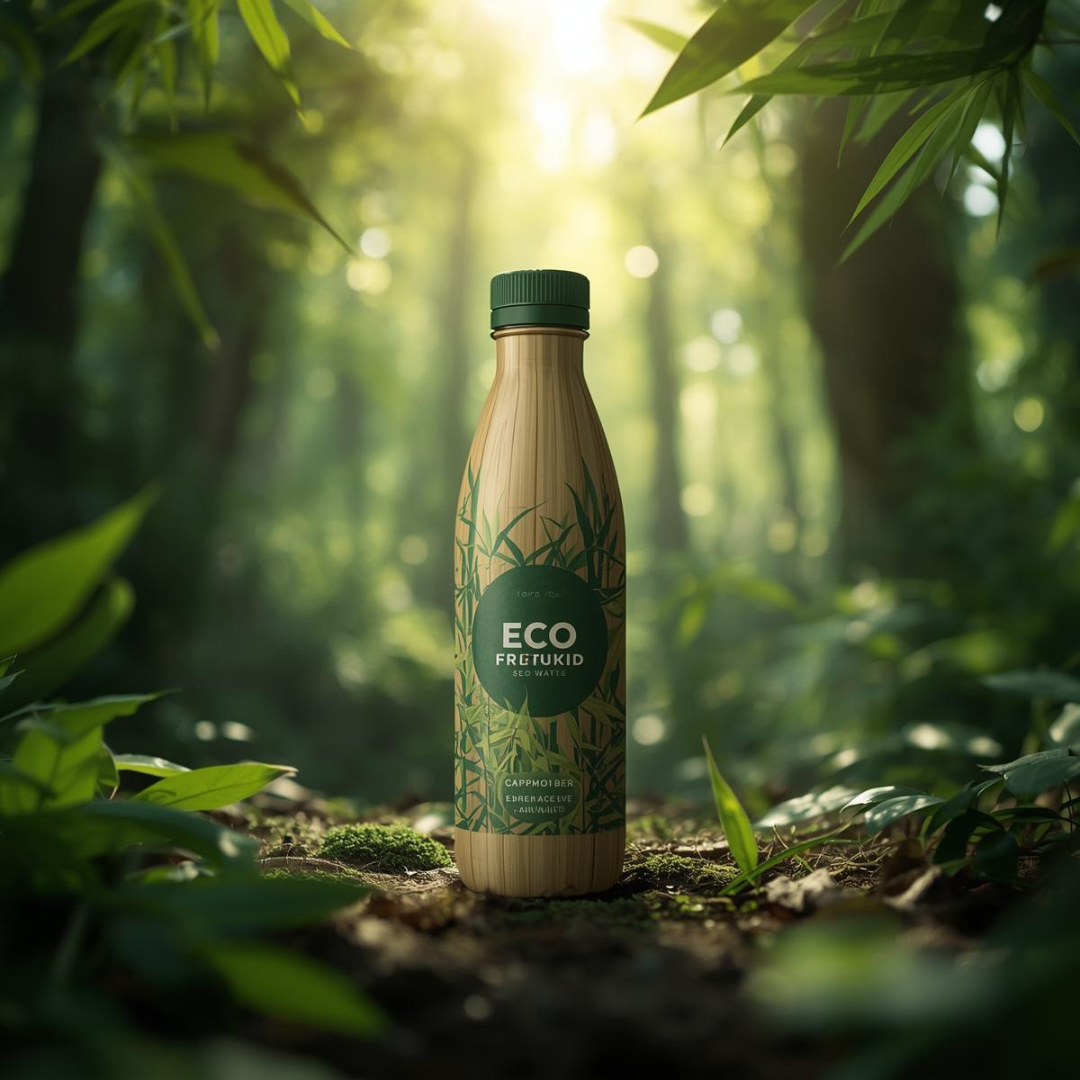
Remember when carrying a reusable water bottle meant lugging around a clunky, plastic affair that tasted faintly of old gym socks? We’ve come a long way from those BPA laden containers that were supposed to save the planet but mostly just took up space in our bags and dishwashers.
The journey from disposable to reusable wasn’t just about swapping one bottle for another. It was a complete reimagining of how we think about hydration, materials, and our relationship with everyday objects.
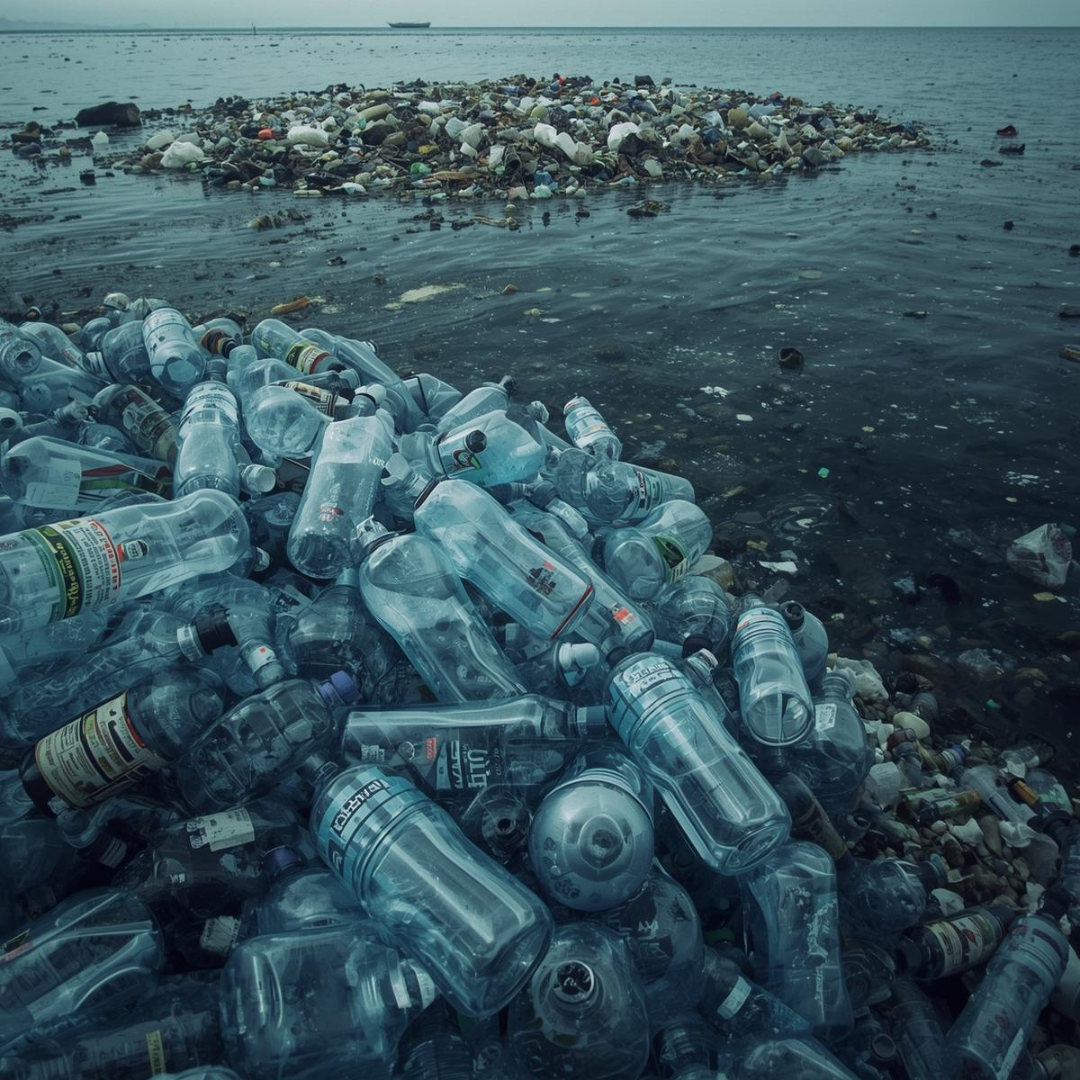
We started in crisis mode: Americans alone toss 35 billion single use plastic bottles annually, with only 22 percent making it to recycling. That’s 17 million barrels of oil used each year just to feed our bottled water habit, not to mention the microplastics now coursing through our bloodstreams like unwelcome houseguests.
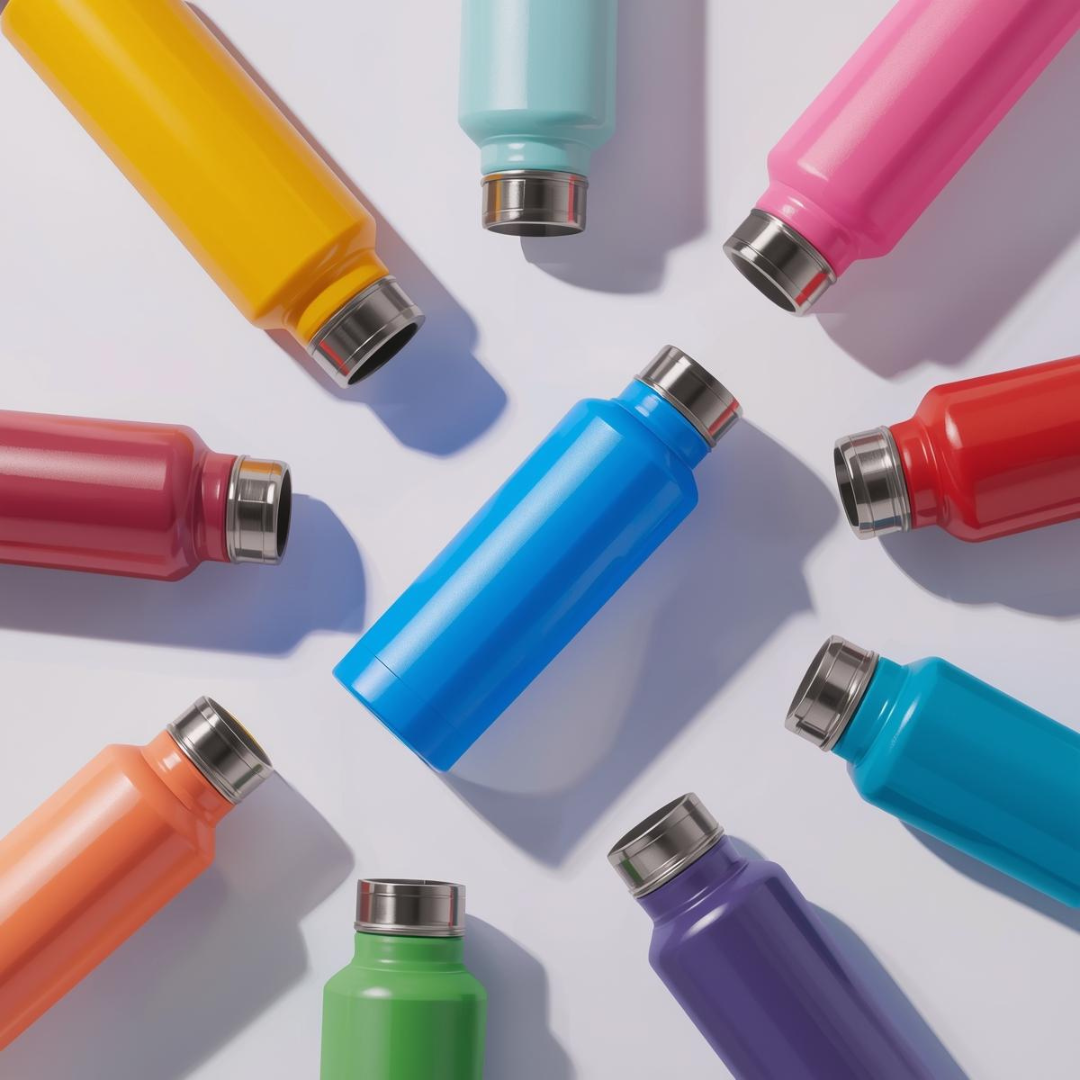
But here’s where it gets interesting. The reusable revolution didn’t just give us better bottles. It sparked an entirely new design philosophy: purpose built hydration. Companies began asking not just “how do we make this reusable?” but “how do we make this so good people actually want to use it every single day?”
Take Ocean Bottle, a UK based Certified B Corp that builds bottles from 67 percent recycled materials. Their genius isn’t just in the sustainable materials but in their app that tracks your refills. Each logged refill funds the collection of five plastic bottles before they reach the ocean. Suddenly, your morning coffee run becomes an act of environmental restoration.
Or consider Circular&Co., which doesn’t just make bottles from 90 percent recycled stainless steel but designs them for a 10 year lifespan with a takeback scheme. When you’re finally done with it, they’ll recycle it into a brand new product and give you 40 percent off your next purchase. This is circular economy thinking in action.
The real breakthrough came when designers realized convenience was the final frontier. Enter collapsible bottles like HYDAWAY that shrink to fit in your pocket when empty, eliminating the “too bulky to carry” excuse that kept single use plastics in business. When sustainability becomes easier than waste, behavior change follows.
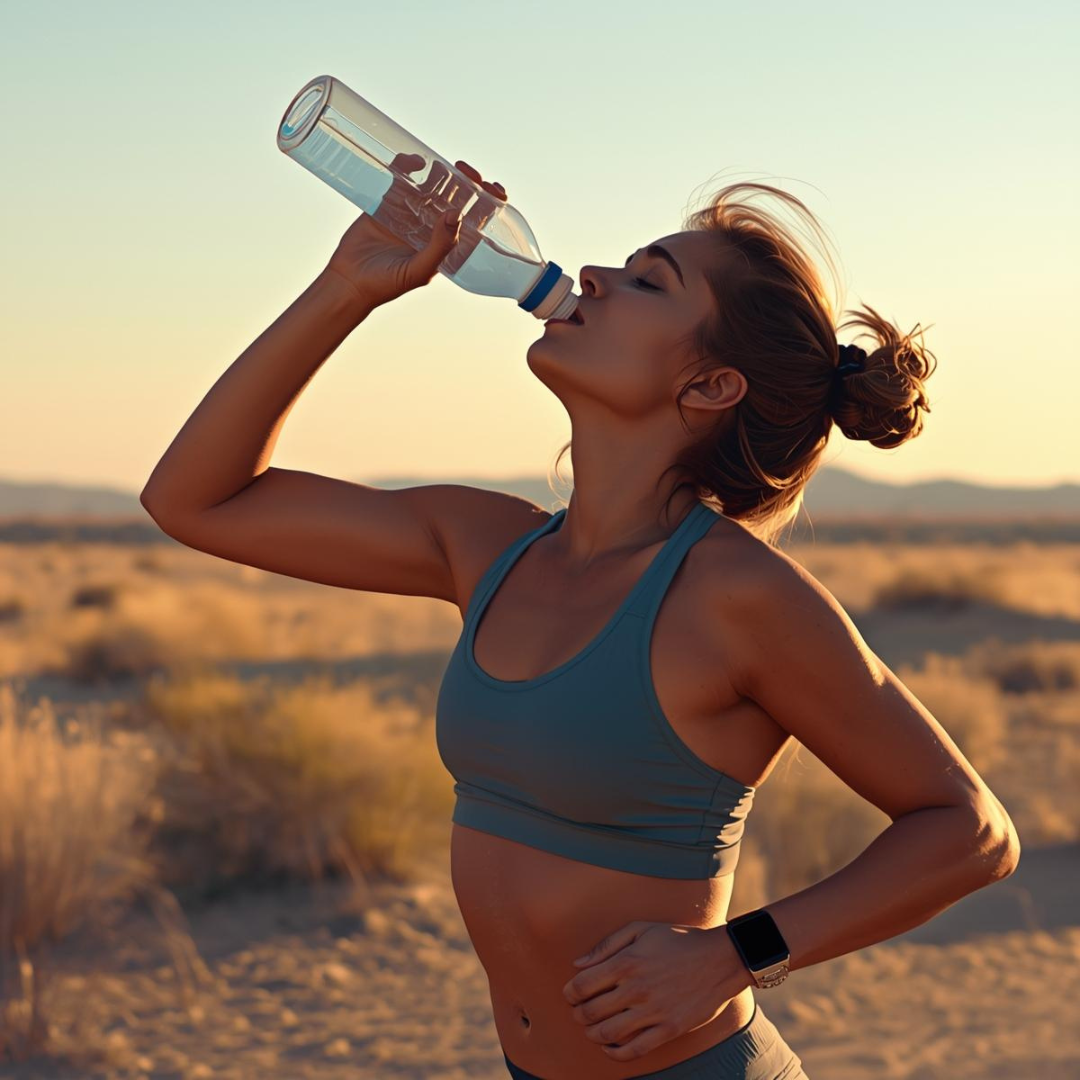
As Gina Bria of the Hydration Foundation wisely notes, “Helping people with their personal hydration is the first step in worldwide water solutions.” This insight runs deeper than it appears. True hydration isn’t just about drinking more water, as I learned during my conversation with Gina on the Essential Ingredients podcast. It’s about water quality, cellular absorption, and understanding that our bodies are primarily water beings. When we choose purpose built hydration tools, we’re not just reducing plastic waste. We’re committing to better health outcomes.
The health implications ripple outward. Studies show that proper hydration improves everything from cognitive function to skin health to metabolic efficiency. Meanwhile, switching from single use to reusable bottles can save you hundreds of dollars annually while preventing the hormone disrupting effects of BPA and other plastics leaching into your drinking water. The planet benefits too: manufacturing PET plastic produces 100 times more toxic emissions including benzene and ethylene oxide compared to alternatives like glass or stainless steel.
Here’s your action plan: if you already own a reusable bottle, commit to using it daily. If you need one, look for brands with third party certifications like B Corp or membership in 1% for the Planet. Choose materials that match your lifestyle: stainless steel for durability, glass for purity, or innovative collapsibles for portability. Most importantly, remember that the most sustainable bottle is the one you’ll actually use.
We’re not just carrying water anymore. We’re carrying purpose.
Written by Justine Reichman