The Circular Pantry: A Framework for Sustainable Eating in 2026
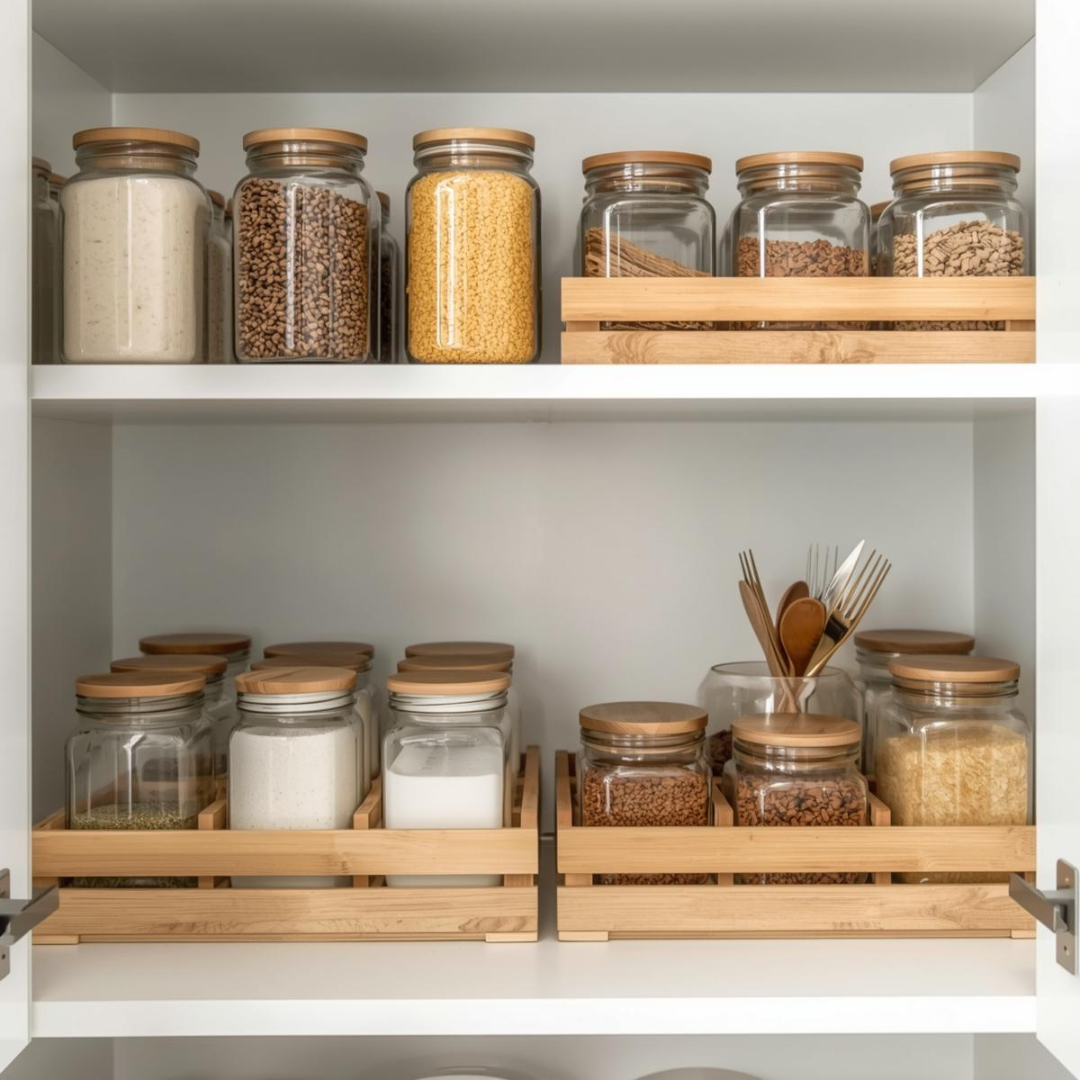
Your pantry tells a story. Not the carefully curated Instagram version with matching glass jars (though those do help), but the real narrative of how food moves through your kitchen, your body, and back to the earth. Welcome to the circular pantry, where nothing is wasted and everything has purpose.
Unlike the traditional linear model where food travels from store to table to trash, a circular pantry creates a closed loop system. Think of it as nature’s original plan: ingredients come in, get transformed into nourishing meals, and their remnants return as compost to grow tomorrow’s food. It’s regenerative eating that borrows from the EU Circular Economy Action Plan’s zero-waste philosophy and applies it to your everyday cooking.
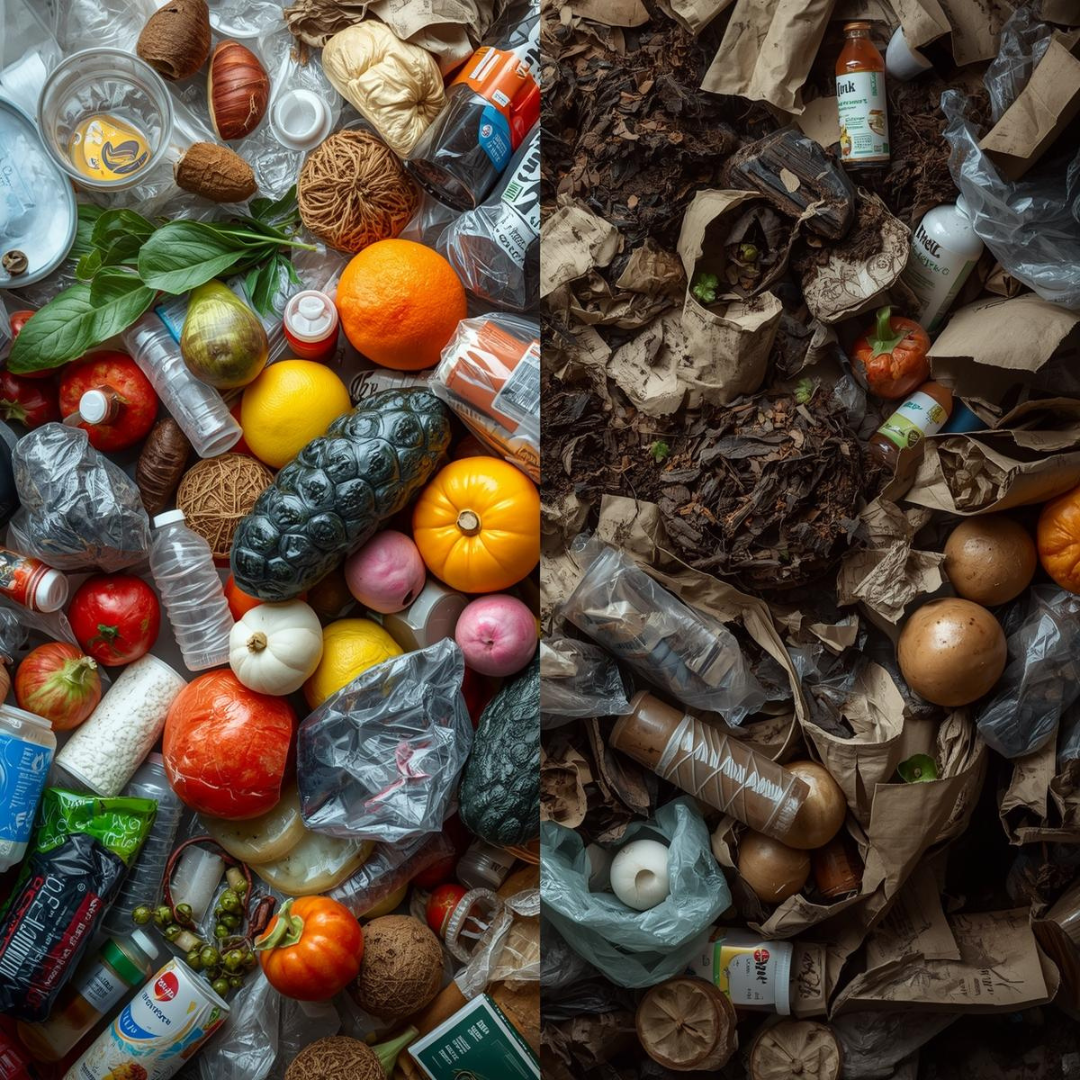
Why does this matter now? The numbers are sobering. Americans generate 119 billion pounds of food waste annually, with 30 to 50 percent originating in our own kitchens. Meanwhile, each person creates 309 pounds of plastic waste yearly, most of it food packaging. Your pantry isn’t just a storage space; it’s ground zero for environmental impact.
Building Your Circular System
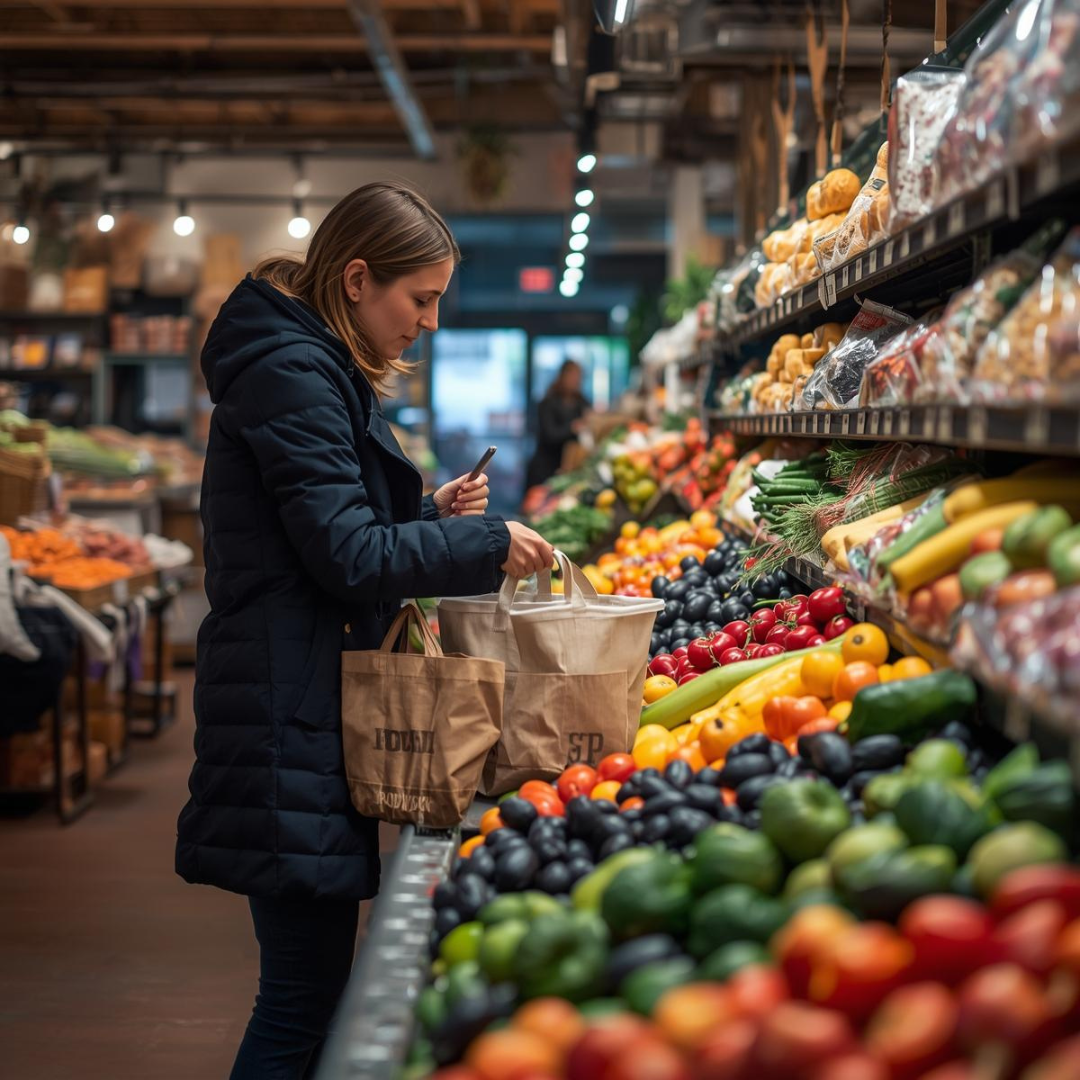
Creating a circular pantry starts with three interconnected practices. First, you shop with intention, bringing reusable containers to bulk stores and farmers markets to eliminate packaging waste. Second, you store food properly to maximize freshness and minimize spoilage through airtight containers and proper temperature management. Third, you close the loop by composting scraps that would otherwise produce methane in landfills.
The health benefits extend beyond environmental virtue. Research from the University of Bristol found that repositioning sustainable options in cafeteria settings reduced carbon footprints by 30 percent while cutting saturated fat by 6 percent. When you build meals around whole foods purchased in bulk, you naturally avoid processed ingredients laden with additives while supporting nutrient-dense eating patterns.
Three Simple Starting Points
Begin with meal planning. By mapping your week’s meals before shopping, you buy only what you’ll actually use. This single shift prevents impulse purchases and ensures ingredients get used before spoiling. The impact? Reduced grocery spending and dramatically less food waste.
Next, establish proper food storage systems. Different foods require different conditions: some vegetables thrive refrigerated while others prefer room temperature. Learning these nuances and investing in quality airtight containers extends shelf life significantly, transforming would-be waste into viable ingredients.
Finally, start composting. Whether through backyard bins, municipal programs, or countertop systems, composting diverts organic waste from landfills while creating nutrient-rich soil. This isn’t just waste management; it’s participating in nature’s regenerative cycle.
The Evolving Future
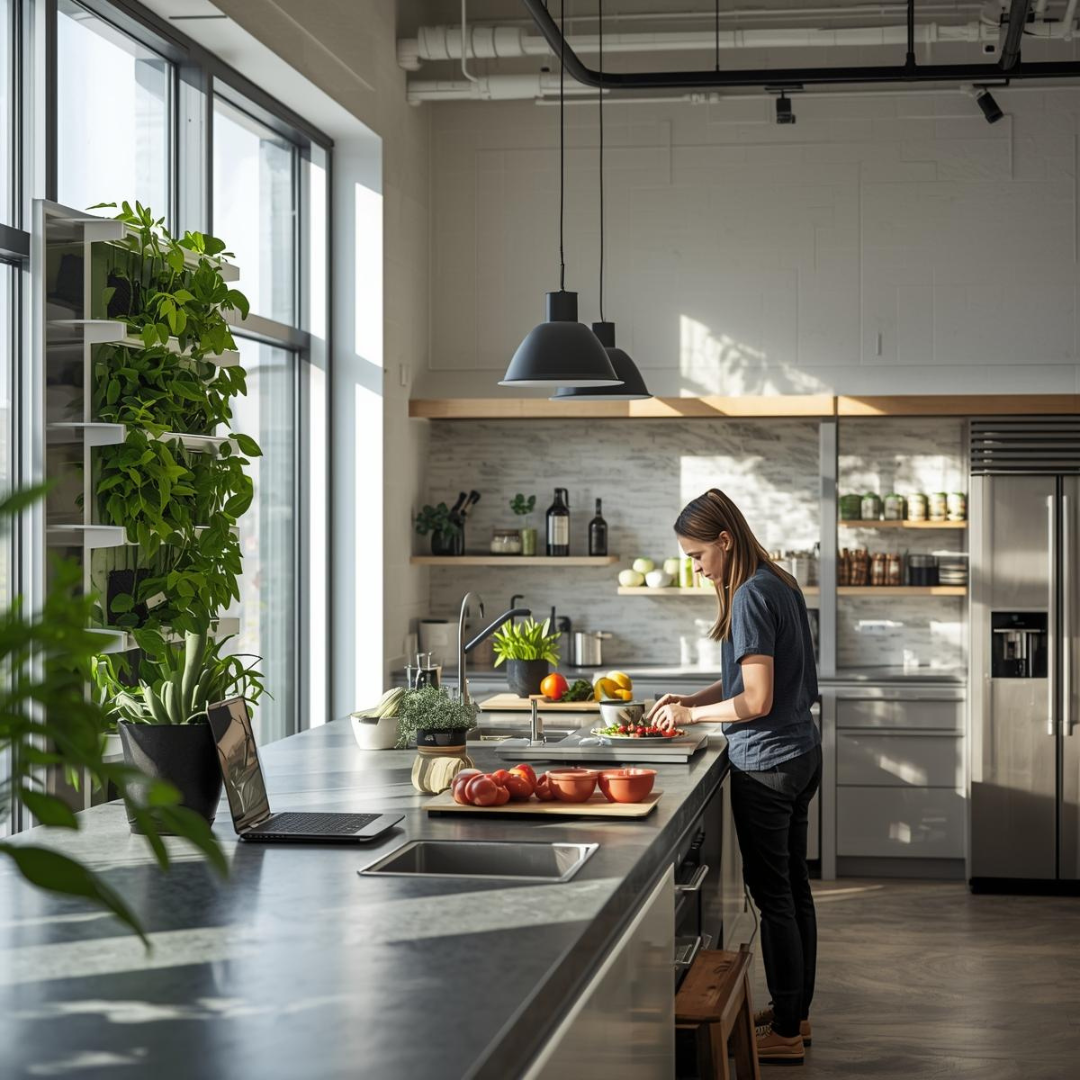
By 2026, circular pantries are evolving beyond individual households into community systems. Kitchen assistant apps now track expiration dates and suggest recipes based on what you already own, while refill stores eliminate packaging entirely. The sustainable food production sector projects that digital traceability and resource recovery will become standard economic drivers.
Small changes compound. When one household composts, it makes a difference. When neighborhoods adopt circular practices together, transformation accelerates. The Sustainable Living Association notes that these incremental shifts contribute to meaningful reductions in greenhouse gas emissions and pollution while supporting personal health.
Your circular pantry isn’t about perfection. It’s about consciousness: understanding that every purchase, every meal, every scrap composted writes a new chapter in your relationship with food. Start where you are, use what you have, and watch the ripples spread.
Sources:
DKSH Discover: “2025 Food Trends: Responsible Eating for a Sustainable Future”
Sustainable Living Association: “Simple Ways to Eat More Sustainably in 2025”
University of Bristol research via New Scientist
Farmonaut: “Sustainable Food Production: Trends & Challenges 2026”
Whole Foods Market 2026 Trends Report
EPA waste statistics
The Eco Hub: Zero Waste Pantry Guide
Written by Justine Reichman