Why Dermatologists Are Turning to Functional Medicine Principles
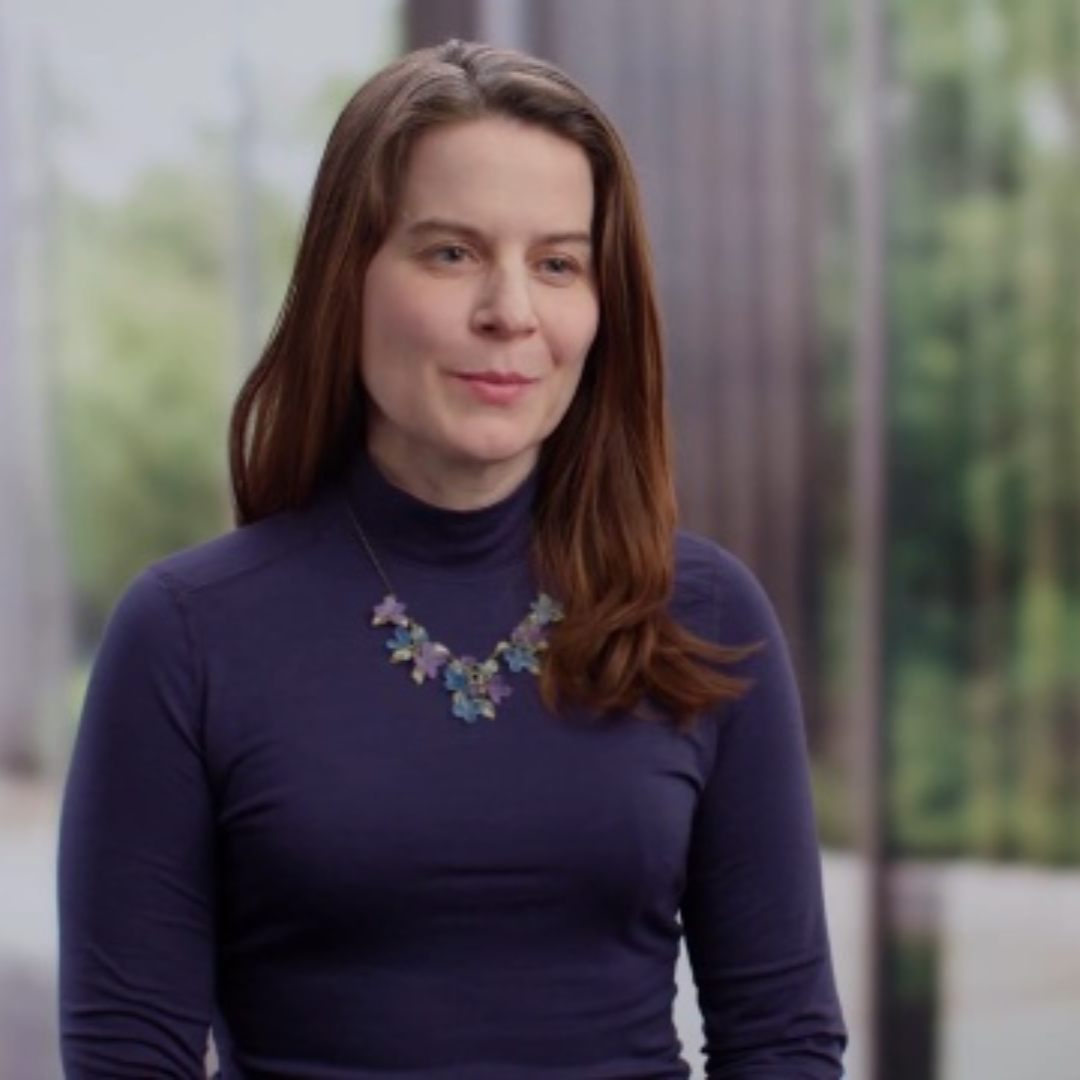
When Dr. Apple Bodemer suggested to colleagues 15 years ago that treating eczema might require examining what patients eat for breakfast, many dismissed her as quite fringe. The first dermatologist to complete a fellowship in integrative medicine, Bodemer faced skepticism at every turn. Dermatology had a proven playbook: steroids for inflammation, antibiotics for acne, immunosuppressants for autoimmune conditions. Why complicate things?
But Bodemer and a small cohort of pioneering dermatologists couldn’t ignore what they were seeing in their practices. Patients who changed their diets experienced dramatic skin improvements. Those who addressed gut issues saw their psoriasis plaques fade. The conventional playbook was leaving too many people trapped in cycles of temporary relief and recurring flare ups. Something fundamental was being missed.
Today, that something has a name: functional medicine. And what was once fringe is rapidly becoming mainstream.
The Science That Changed Everything
Functional medicine represents a systems based approach that focuses on identifying and addressing root causes rather than just managing symptoms. For dermatologists, this meant looking beyond the skin to understand the complex web of factors influencing skin health, particularly the gut microbiome.
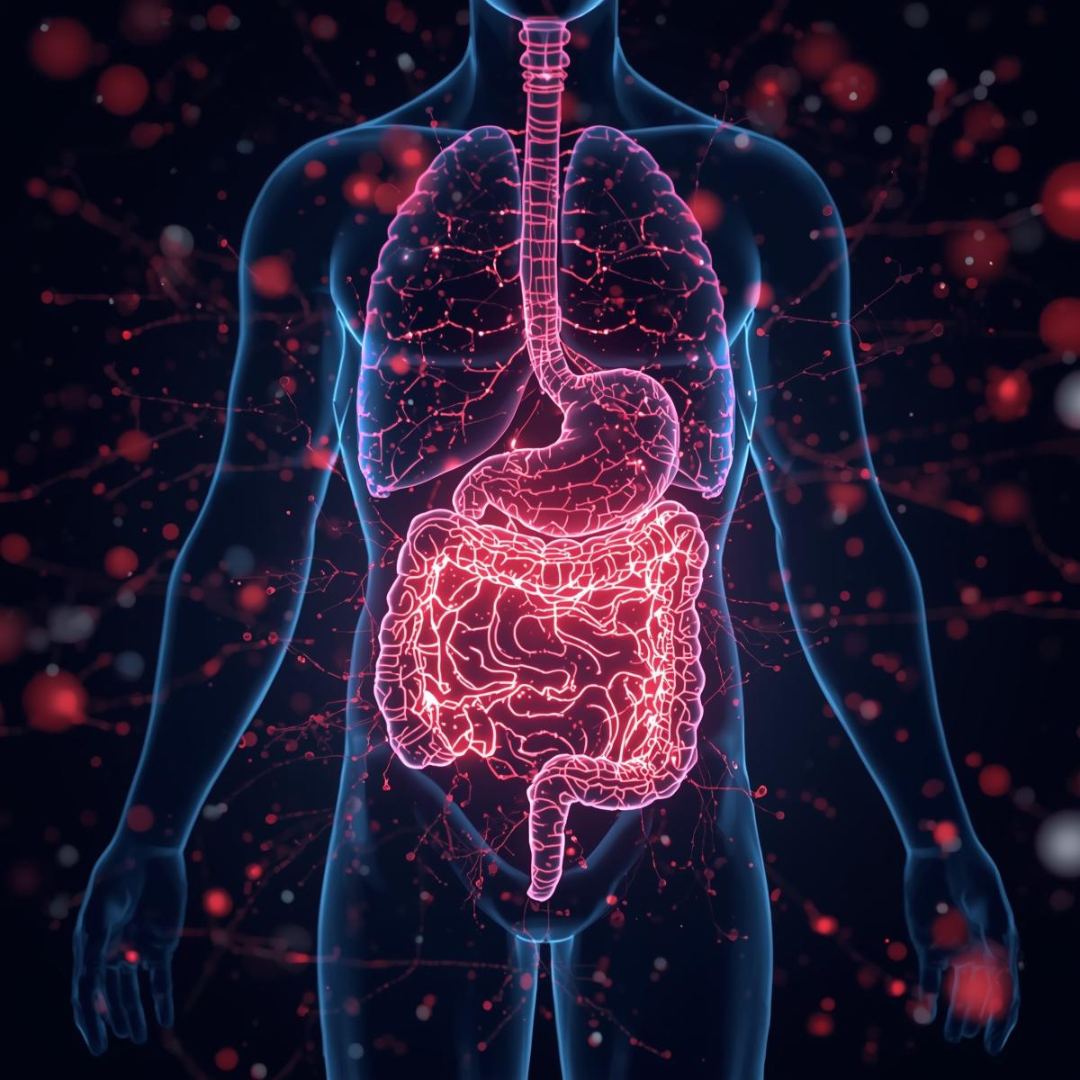
The breakthrough came from research on the gut skin axis. Multiple peer reviewed studies published in journals like Bioessays and the World Journal of Gastroenterology demonstrated that our gut microbiome, that complex ecosystem of trillions of bacteria living in our digestive tract, communicates bidirectionally with our skin through immune, metabolic, and neural pathways. When this ecosystem becomes imbalanced, a condition called dysbiosis, inflammatory cascades trigger that manifest directly on the skin.
Research from the University of Manchester revealed that metabolites from diet or microbiota are skin accessible, meaning what we eat doesn’t just fuel our bodies, it literally reaches our skin cells. Studies linked specific gut microbiota imbalances to acne vulgaris, atopic dermatitis, and psoriasis. Dr. Jessica Gruber documented cases where treating H. pylori infection and small intestinal bacterial overgrowth resolved 20 year battles with acne rosacea. The anecdotal observations were becoming hard science.
From Fringe to Frontline
The tipping point arrived quietly but decisively. Academic medical centers including UPMC and the University of Wisconsin launched integrative dermatology clinics. Board certified dermatologists began completing fellowships in integrative medicine and pursuing certification through the Institute for Functional Medicine. LearnSkin, cofounded by dermatologists Dr. Hadar Lev Tov and Dr. Raja Sivamani, launched comprehensive training programs that now draw hundreds of practitioners.
Dr. Sheila Choudhary, a double board certified dermatologist who completed LearnSkin’s Integrative Dermatology Certificate Program, described it as a game changer. In a survey study she conducted at UPMC, about two thirds of dermatology patients expressed interest in integrative approaches. The patients were ready. The science was ready. The profession was finally catching up. Dr. Sheila Choudhary, a double board certified dermatologist who completed LearnSkin’s Integrative Dermatology Certificate Program, described it as a game changer. In a survey study she conducted at UPMC, about two thirds of dermatology patients expressed interest in integrative approaches. The patients were ready. The science was ready. The profession was finally catching up.

The Food Connection
What patients eat became as important as what they apply. Dr. Doris Day of NYU Langone Medical Center found that the Western diet, laden with added sugars, processed foods, and inflammatory oils, contributes directly to systemic inflammation and skin dysbiosis. Meanwhile, the Mediterranean diet, rich in plant based foods, vegetables, fruits, and healthy fats, correlates with significantly lower rates of inflammatory dermatological conditions.
Clinical trials using probiotics showed measurable improvements in skin barrier function. Dermatologists began prescribing dietary modifications alongside conventional treatments, recommending fermented vegetables, fiber rich plants, and omega 3 fatty acids to support healthy gut microbiomes. Food became medicine, not metaphorically but mechanistically.
The sustainability connection runs deeper than dietary choices. Research published in Dermatology and Therapy shows patient demand for eco conscious skincare is reshaping practice patterns. Functional medicine’s emphasis on supporting natural healing capacity rather than suppressing symptoms with pharmaceuticals resonates with environmentally conscious consumers. As the healthcare sector accounts for 10 percent of US greenhouse gas emissions, approaches that reduce pharmaceutical dependence and unnecessary interventions align with both patient values and planetary health.
What Patients Are Experiencing
The transformation in patient outcomes has been striking. Practitioners report not just clearer skin but improvements in energy, digestion, mental clarity, and overall vitality. Patients with chronic conditions who felt trapped in endless cycles of flare and remission are finding sustained relief by addressing underlying imbalances.
This shift from symptom suppression to root cause resolution represents more than a change in treatment protocol. It’s a philosophical transformation in how we understand skin health itself.

The Path Forward
The future taking shape looks radically different from dermatology’s past. Expect collaborative care models where dermatologists partner with nutritionists, health coaches, and functional medicine physicians. Comprehensive gut microbiome analysis and food sensitivity testing will likely become standard for chronic inflammatory conditions. More residency programs are incorporating integrative approaches into core training.
The economic model is evolving too. As Dr. Peter Lio of Northwestern notes, longer appointment times required for this approach are pushing many practitioners toward self pay models, raising important questions about accessibility. The challenge ahead is democratizing these comprehensive treatments beyond affluent patients who can afford cash based care.
Technology promises to accelerate this transformation. Artificial intelligence is being deployed to analyze genetics, environmental factors, and microbiome data, creating truly personalized protocols. This precision medicine approach marries cutting edge science with the ancient wisdom of treating whole persons rather than isolated symptoms.
For the dermatologists who once considered functional medicine fringe, vindication has arrived. For patients tired of chasing temporary relief, genuine healing is finally within reach. And for Bodemer, who weathered years of skepticism, the transformation is both personal and professional. The future she envisioned 15 years ago, where dermatology appointments include conversations about sleep, stress, and breakfast choices, is rapidly becoming the present. The skin, it turns out, was never separate from the rest of the body. It just took dermatology a while to remember.
Written by Justine Reichman