The Future of Food: Understanding Genome Therapy in Agriculture
Bottom Line: Genome editing, particularly CRISPR technology, promises revolutionary changes in food production—from longer-lasting raspberries to drought-resistant crops—but faces significant public skepticism and regulatory challenges despite mounting evidence of its safety and potential benefits.
What is Genome Therapy in Food?
Genome editing in agriculture refers to precise molecular tools that allow scientists to make targeted changes to plant DNA, much like “a pair of molecular scissors which scientists can program to cut the DNA double helix at specific locations in the genome.” Unlike traditional genetic modification, modern techniques like CRISPR-Cas9 can create changes that are indistinguishable from natural mutations, often without introducing foreign DNA.
The most advanced approach uses “DNA-free CRISPR genome editing” where editing tools are introduced as proteins rather than genetic material, leaving no trace of foreign DNA in the final product. This breakthrough addresses many regulatory and consumer concerns while maintaining the precision that makes genome editing so powerful.
The Raspberry Revolution and Beyond
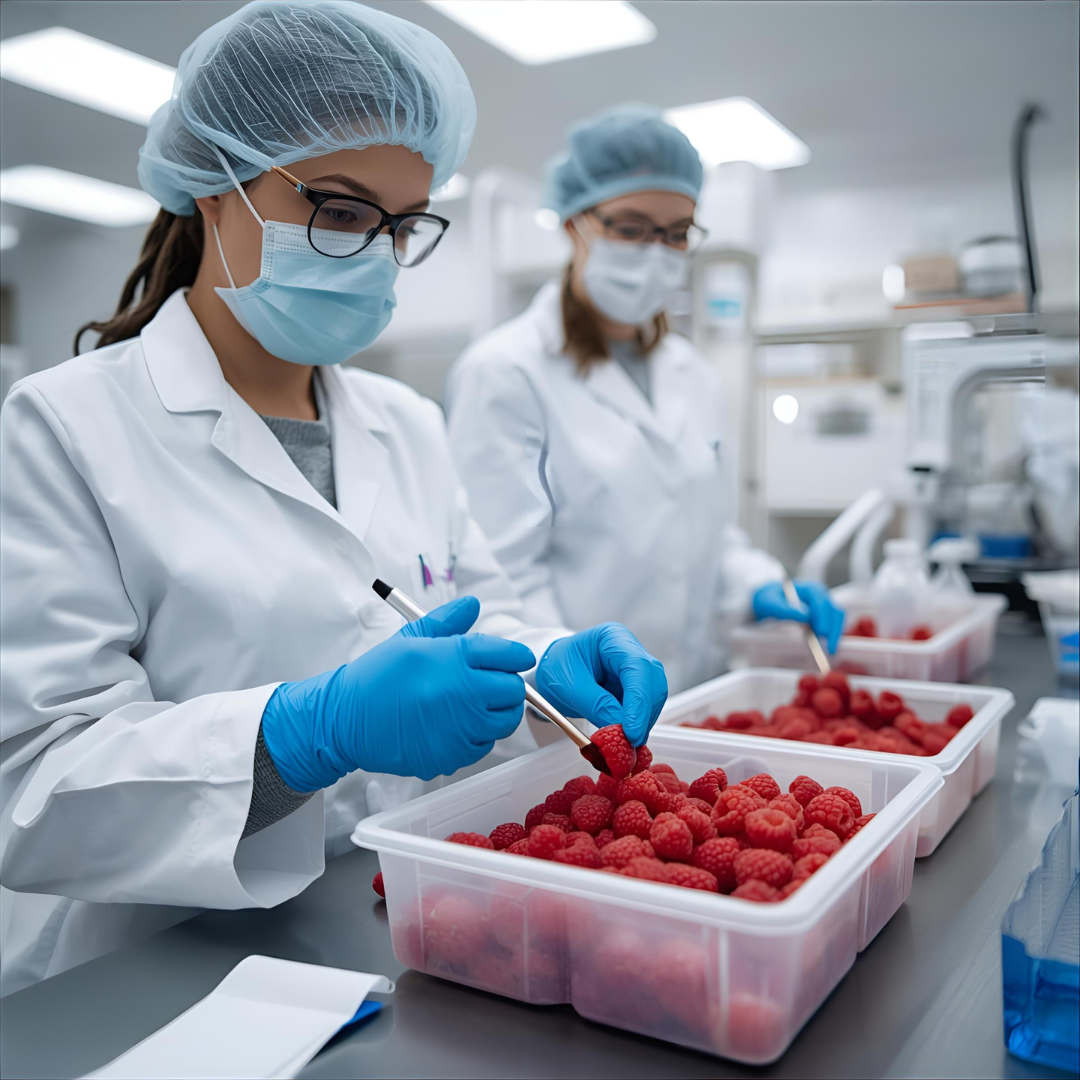
The latest breakthrough comes from researchers at Cranfield University who successfully demonstrated “the first time CRISPR gene editing has been validated in red raspberry (Rubus idaeus) in a peer-reviewed publication.” Their work targets genes like NPR1, which when edited in tomatoes, “resulted in increased resistance to gray mold.” This could lead to raspberries with dramatically longer shelf lives, reducing the estimated “33% of the produce that is harvested is never consumed” due to spoilage.
Beyond raspberries, genome editing is creating remarkable innovations: “non-browning avocados”, tomatoes with “30% more sugar”, and “anti-browning mushrooms.” Scientists are also developing crops with enhanced drought tolerance, disease resistance, and improved nutritional profiles to address climate change and malnutrition simultaneously.
Historical Context and Scientific Progress
Genome editing evolved from decades of plant breeding innovation, but “can take plant breeders decades to introduce a new trait into a crop through conventional plant breeding methods, while genome editing has the potential to shorten that timing to a few years.” The technique gained revolutionary momentum after “CRISPR-Cas9, which was developed by Emmanuelle Charpentier and Jennifer Doudna (they won the Nobel Prize for Chemistry for it in 2020).”
Current applications span from “cacao plants—the main ingredient in chocolate—with stronger immune systems that can fight a disease” to crops designed for urban farming with “shortened stems, so it grows faster and requires less space.”
The Skepticism Spectrum
Despite scientific consensus on safety, public perception remains challenging. “A 20-public median of 48% say genetically modified, or GM, foods are unsafe to eat, while a much smaller median of 13% say GM foods are safe.” This skepticism stems from multiple sources: “fears around safety, especially in the case of gene drives” and concerns that “these technologies were being used to make rich people richer, not to make the world less hungry.”
Critics like Greenpeace worry about “novel toxins or allergens” and argue that “the sole reliance on scientific risk assessment came at the expense of social, economic and political considerations.” Environmental NGOs question whether technological solutions address root causes of food insecurity or merely entrench existing power structures.
The Enthusiasm Factor
Supporters emphasize genome editing’s potential to address urgent global challenges. “Widespread enthusiasm about potential contributions of genome-edited crops to address climate change, food security, nutrition and health, environmental sustainability” drives continued investment and research.
Proponents note that “GM crops allow an increase in yield of 6%-25%” and argue that “because of the safety testing requirements, the risk of introducing a plant variety with a new allergen or toxin is much smaller than from traditional breeding processes.” They see genome editing as essential for feeding “the world’s population [that] continues to grow and is expected to reach 9.7 billion by 2050.”
Impact on Growing, Nutrition, and Food Systems
Genome editing is reshaping agriculture at multiple levels. For growing practices, edited crops can “reduce the need for such pesticides” through enhanced disease resistance and can develop “larger root systems, which can go deeper and take water from further down” for drought tolerance.
Nutritionally, the technology enables biofortification—crops enriched with essential nutrients. “A gene edited tomato, which came out in Japan in 2021…was edited to be more nutritious, enriched with GABA, a neurotransmitter.” Future applications could address malnutrition by enhancing micronutrient content in staple crops.
The technology could fundamentally alter food systems by reducing waste, extending shelf life, and enabling production in challenging environments, potentially making nutritious food more accessible and affordable globally.
Essential Knowledge for Readers
The most critical points to understand: genome editing differs significantly from earlier genetic modification techniques, often leaving no trace of foreign DNA. Current regulatory frameworks vary globally, with some countries embracing the technology while others maintain strict controls. The science indicates safety comparable to conventional breeding, but social acceptance remains the primary barrier to widespread adoption.
Questions Worth Asking
To better understand this technology’s impact on your food choices, consider: How does your country regulate genome-edited foods? What transparency do you expect from food producers about editing techniques? Are the benefits—reduced pesticide use, enhanced nutrition, climate resilience—worth potential unknown risks? How can we ensure genome editing benefits smallholder farmers and food-insecure populations, not just corporations?
Understanding genome editing’s role in our food future requires balancing scientific evidence with legitimate social concerns, ensuring this powerful tool serves humanity’s broader interests rather than narrow commercial ones.
Written by Justine Reichman