Leading the Conversation: How Essential Ingredients Is Redefining Social Impact Through Food

I started Essential Ingredients with a simple belief: eating right is a human right. But somewhere along the way, I realized we were building something much bigger than a podcast about food sustainability. We were creating a movement that proves change doesn’t have to feel like punishment, and education doesn’t have to be preachy.
Here’s what makes us different. While everyone else in the sustainability space is wagging fingers and telling people what they should stop doing, we’re sitting down with the people actually solving problems and asking them how. Over 200 episodes and more than a million downloads later, we’ve become the connective tissue between innovators who are reimagining our food systems and the people hungry for real solutions. We’re not just talking about what’s broken. We’re amplifying the voices of those fixing it.
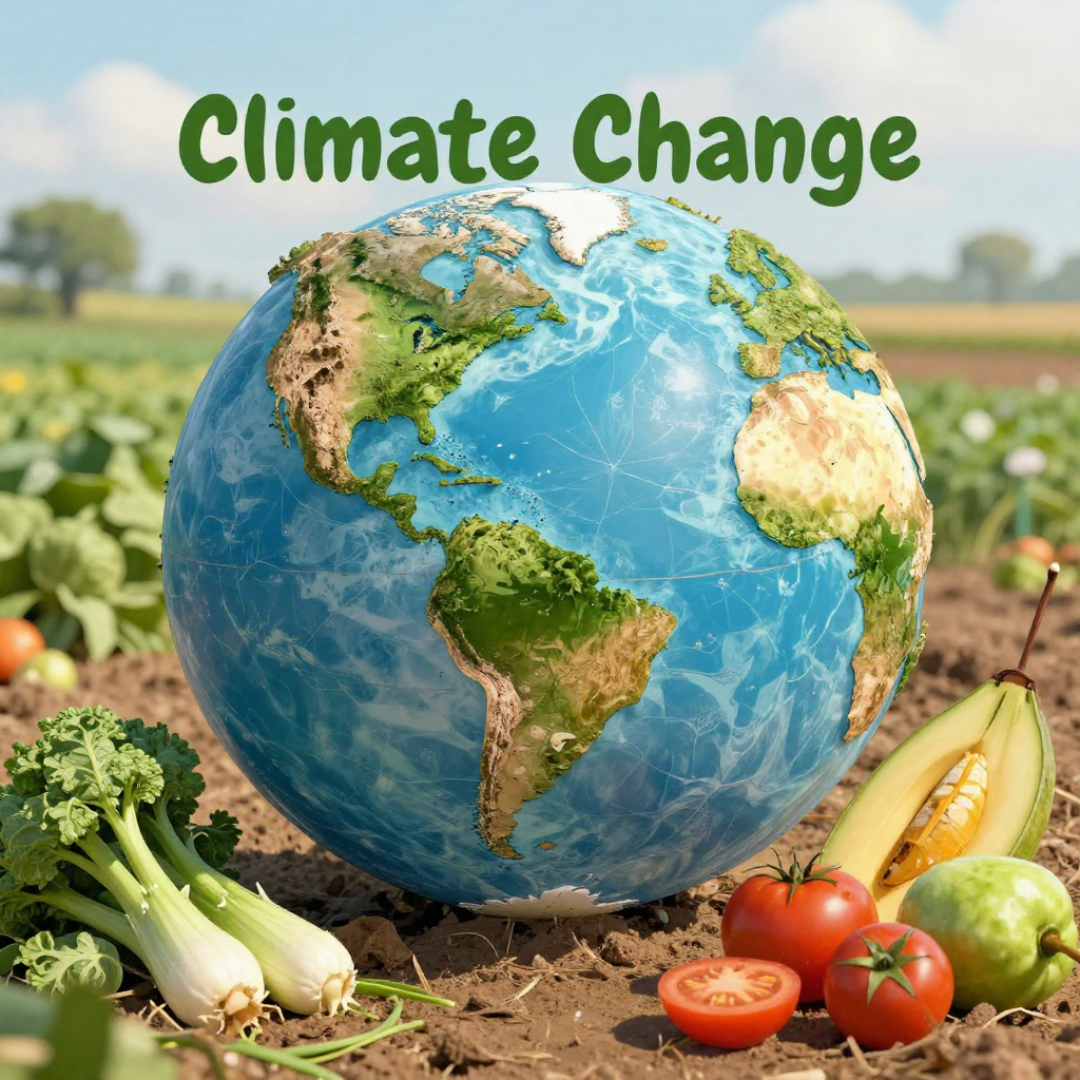
The global food system accounts for roughly one third of greenhouse gas emissions, yet most conversations about climate change barely mention what’s on our plates. Meanwhile, nearly 800 million people face hunger while we waste about one third of all food produced globally. These aren’t abstract problems. They’re dinner table issues, and we treat them that way.
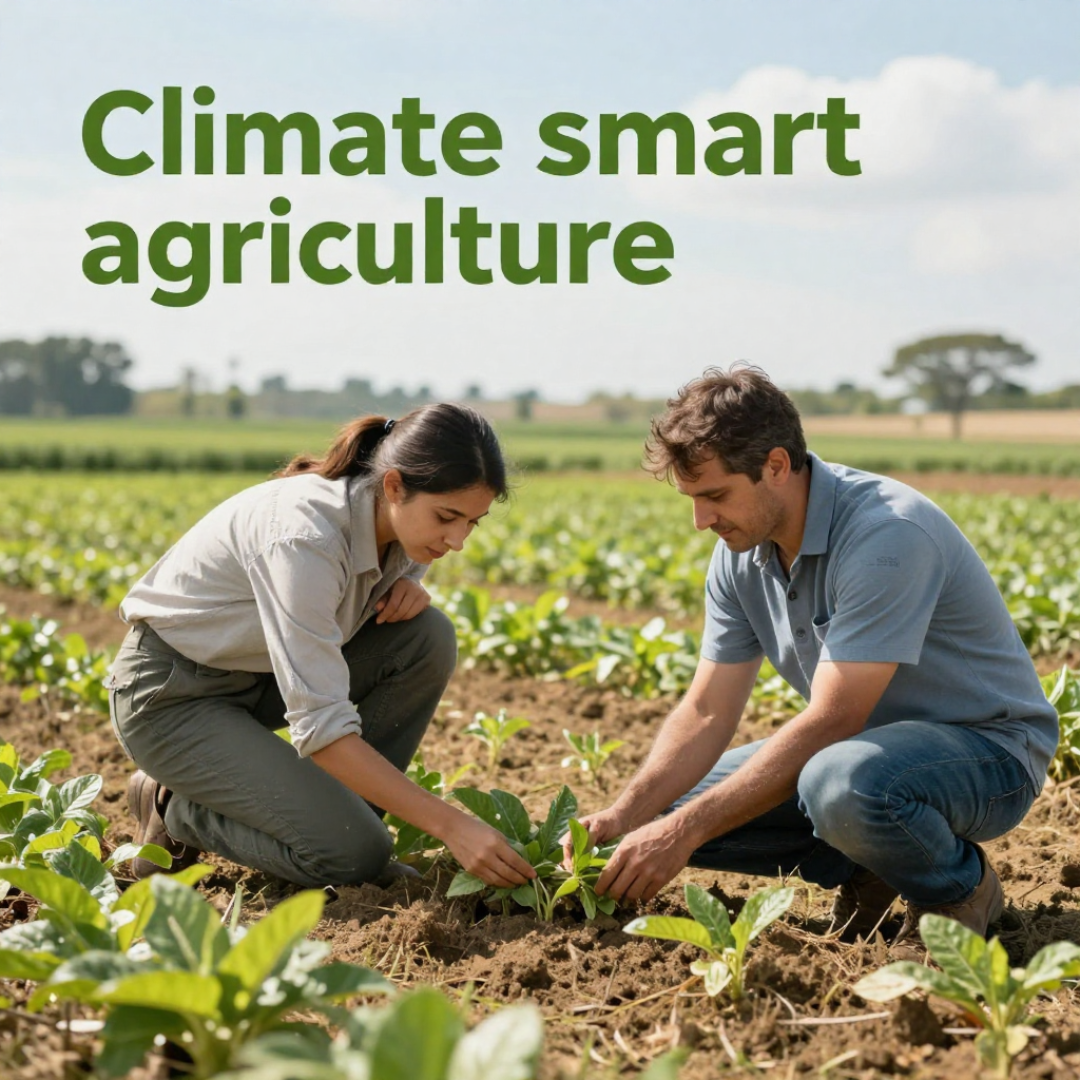
I bring founders developing regenerative agriculture practices, scientists creating alternative proteins, and entrepreneurs building circular food economies into intimate conversations that make complex systems feel personal and actionable.
What we’re doing that’s truly unique is practicing what I call the triple win philosophy: business thrives, people benefit, and the planet heals. This isn’t just a tagline. It’s our filter for every guest, every topic, every conversation. When we featured a founder turning food waste into ingredients, we didn’t just celebrate the environmental impact. We explored the economic model that makes it viable and the communities it employs. That’s the game changer. We’re proving that doing good and doing well aren’t opposing forces.
I’ve learned that people don’t need more guilt. They need more pathways. They don’t need someone shouting about everything wrong with industrial agriculture. They need to hear from the farmer in California using cover crops to sequester carbon while increasing yields, or the entrepreneur in Kenya connecting smallholder farmers directly to urban markets through mobile technology. These stories create possibility, not paralysis.
The beauty industry recently woke up to sustainability, and fashion is having its reckoning with waste. Health and wellness communities are finally connecting the dots between soil health and human health. We saw these silos years ago and decided to break them down. Essential Ingredients doesn’t just live in the food world. We connect food sustainability with beauty, fashion, health, and lifestyle because that’s how real change happens. Cross pollination. Unexpected collaborations. Bold thinking that refuses to stay in its lane.
Our positivity isn’t naive optimism. It’s strategic.
I’ve watched too many well meaning sustainability efforts fail because they made people feel small and powerless. We do the opposite. Every episode is designed to spark that feeling of “I could do something about this.” Whether you’re a founder looking for your next venture, a consumer wanting to vote with your fork, or an investor seeking impact opportunities, we give you the insights and connections to move forward.

As Gina Bria of the Hydration Foundation wisely notes, “Helping people with their personal hydration is the first step in worldwide water solutions.” This insight runs deeper than it appears. True hydration isn’t just about drinking more water, as I learned during my conversation with Gina on the Essential Ingredients podcast. It’s about water quality, cellular absorption, and understanding that our bodies are primarily water beings. When we choose purpose built hydration tools, we’re not just reducing plastic waste. We’re committing to better health outcomes.
The health implications ripple outward. Studies show that proper hydration improves everything from cognitive function to skin health to metabolic efficiency. Meanwhile, switching from single use to reusable bottles can save you hundreds of dollars annually while preventing the hormone disrupting effects of BPA and other plastics leaching into your drinking water. The planet benefits too: manufacturing PET plastic produces 100 times more toxic emissions including benzene and ethylene oxide compared to alternatives like glass or stainless steel.
Here’s your action plan: if you already own a reusable bottle, commit to using it daily. If you need one, look for brands with third party certifications like B Corp or membership in 1% for the Planet. Choose materials that match your lifestyle: stainless steel for durability, glass for purity, or innovative collapsibles for portability. Most importantly, remember that the most sustainable bottle is the one you’ll actually use.
We’re not just carrying water anymore. We’re carrying purpose.
Written by Justine Reichman