Where the Floor Meets the Future: Human-Centered Commerce at Expo West 2026
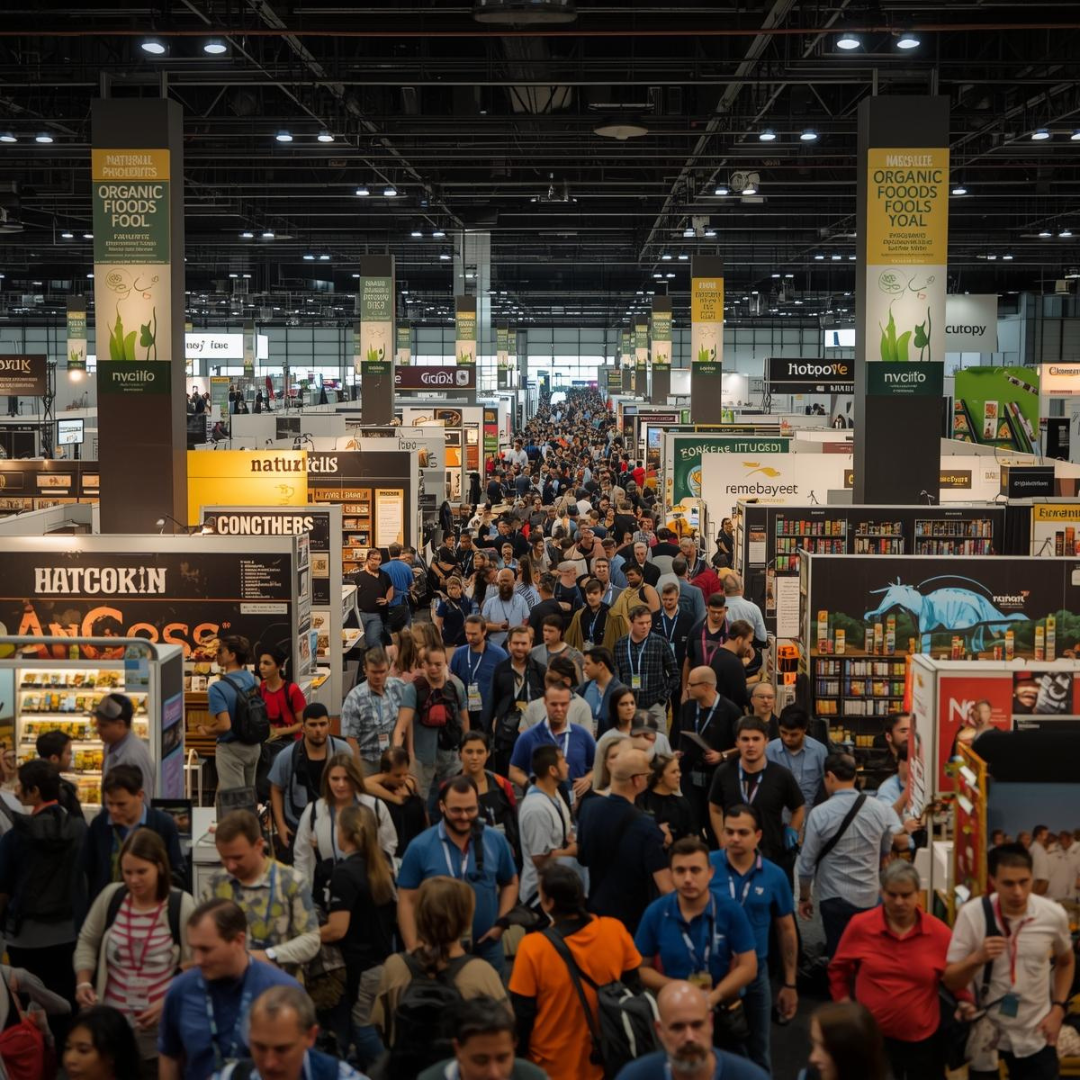
Expo West is the largest natural products trade show in the world. But anyone who has walked its floors knows it is never just about the products. It is about who is building with conviction, who is finding each other, and what the industry is collectively deciding matters.
This year, the most important conversations were not happening at the biggest booths. They were happening between founders and distributors who may had not shared a table before. Between ingredient suppliers and brand builders rethinking what stability actually looks like. Investors no longer ask only about growth velocity, but about what holds when the market shifts.
Expo West 2026 felt, above all else, like a gathering of people serious about building something that lasts.
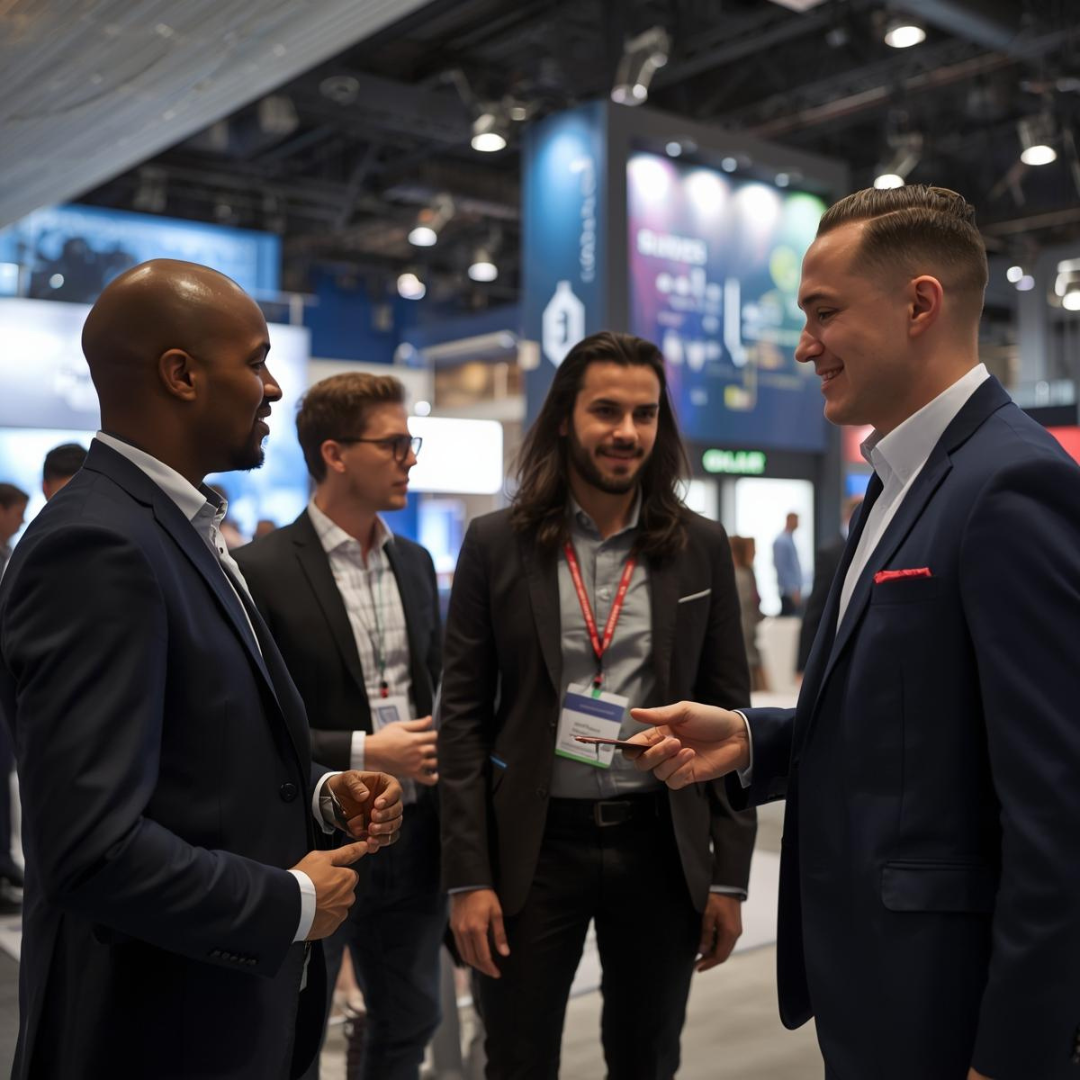
The Convergence on the Floor
What struck me most was not any single category or trend. It was the cross-pollination. Skin care brands talking to food systems founders. Pet food manufacturers in conversation with supply chain resilience advisors. Cleaning product companies comparing notes with wellness beverage startups on how to earn trust at the shelf level in a market where consumers are spending more deliberately.
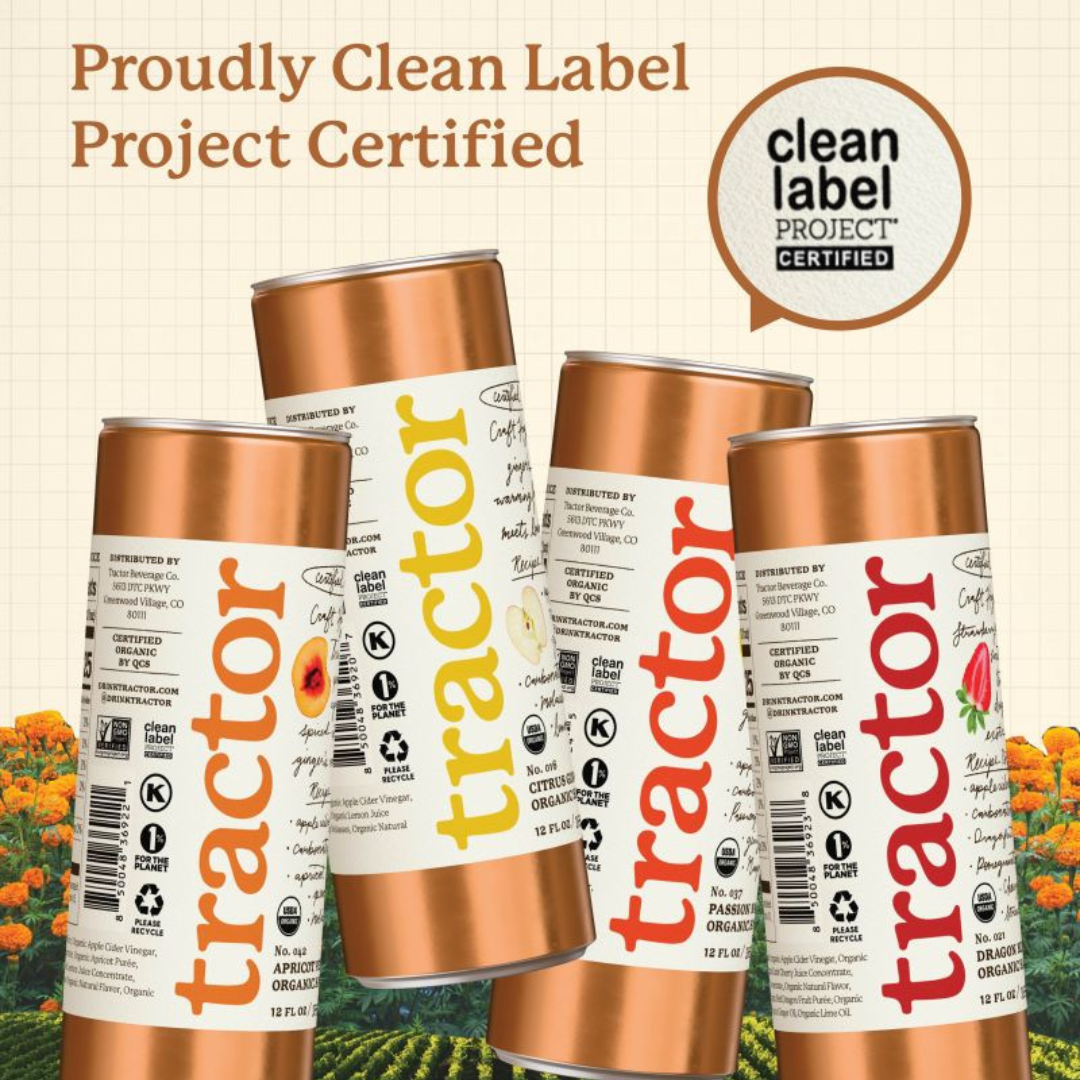
Tractor Beverage Company, farmer-founded and employee-owned, won the 2026 NEXTY Award in the Beverage category for Haymaker. Their model is worth paying attention to not just for the product, but for the architecture behind it: USDA Organic certified ingredients, a Farmhand Foundation supporting growers transitioning to organic farming, and an Organic Impact Tracker that makes environmental benefits measurable and visible. This is not a brand story. It is an ecosystem strategy.
That distinction matters. In an industry saturated with labels, the brands that stood out at Expo West this year were the ones building infrastructure, not just identity.
Stability Is the New Growth Story
The education programming at Expo West this year made the underlying tension explicit. Sessions on rethinking supply chains for a changing climate, on the convergence of capital, content, and connections in the deal room, on human-centered marketing in an AI-driven world. These are not niche conversations. They are the questions every serious operator in this space is sitting with right now.
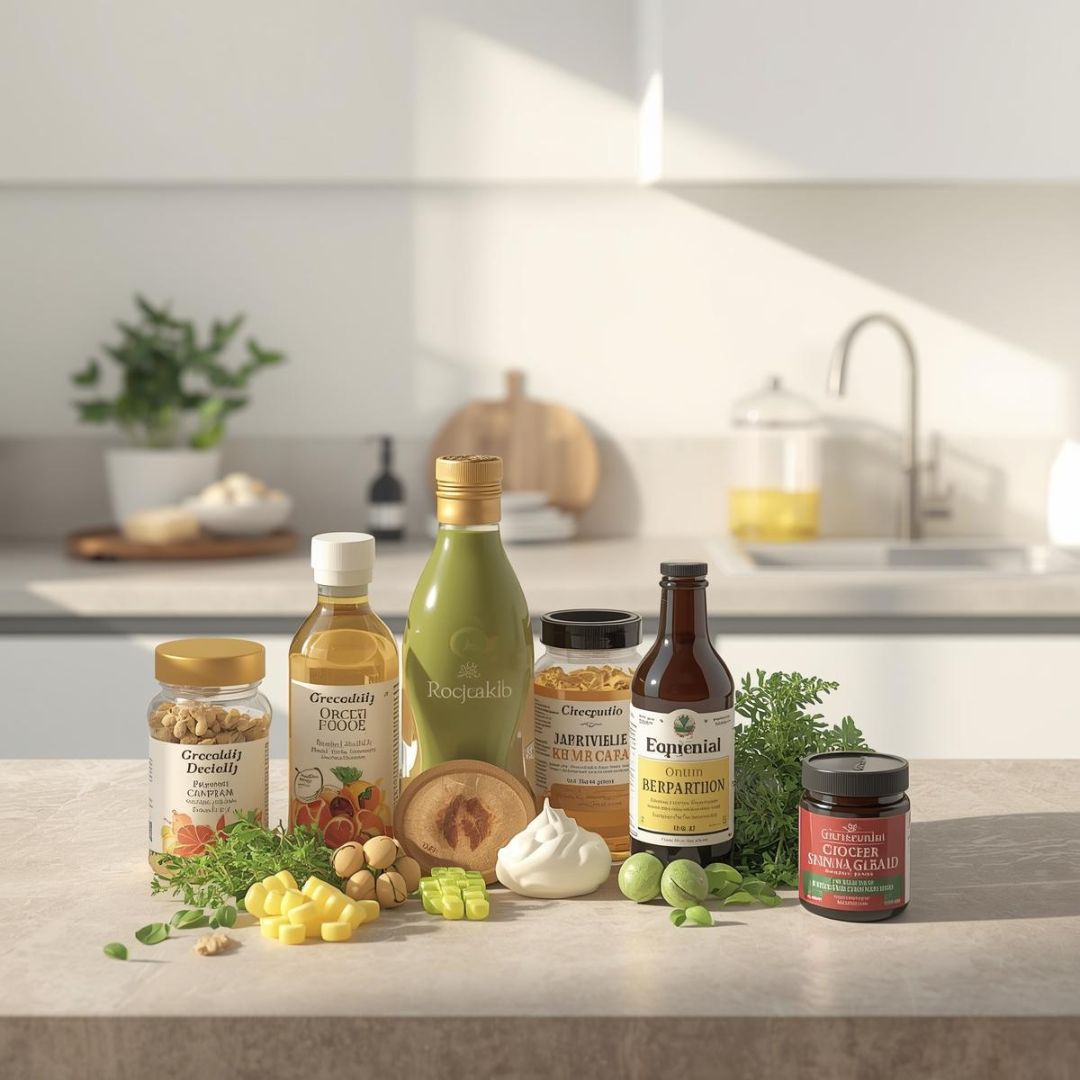
Consumer behavior is shifting too. The wellness consumer of 2026 is not just looking for better-for-you options. They are, as one observer put it, acting as the CEO of their own health. Creatine in coffee. Mushrooms in mocktails. Collagen in power bars. The functional ingredients movement is no longer a premium niche. It is a baseline expectation, and the brands winning are the ones who can deliver on both the science and the story.
A Safe Place to Build
There is something else worth naming about Expo West that does not often make it into trade coverage. It functions as a community. Founders who are competitors on the shelf are collaborators on the floor. Global players in distribution and manufacturing are accessible in ways they are not anywhere else. Emerging brands that would never get a meeting in a normal sales cycle find themselves in genuine conversation with the buyers and partners who could change their trajectory.
That dynamic is not accidental. It is what makes Expo West more than a marketplace. It is where the natural products industry takes stock of itself and decides, collectively, what it stands for.
This year, what it seemed to stand for was this: resilience is not the absence of pressure. It is what you build before the pressure arrives. The partnerships, the supply chain depth, the consumer trust, the clarity of purpose. These are not soft values. They are structural advantages.
Human-Centered Commerce in Practice
The framework I wrote about before Expo West, human-centered commerce, was visible everywhere on the floor. Not as a theory, but as a practice. Brands that understand food as ritual, wellness as environment, retail as relationship. The most resilient ones operate at the intersections, across categories, across supply chains, across the traditional lines between producer, distributor, retailer, and consumer.
In an automated world, that kind of intentional collaboration is not a nice-to-have. It is the competitive advantage that no algorithm can replicate.
The brands and leaders who understand that are the ones worth watching as we move through 2026.
Written by Merril Gilbert