The True Cost of Caring: Why Maintenance Matters More Than We Think
We live in a world designed for disposal. Fast fashion promises newness at the tap of a screen. Home goods arrive and disappear with equal speed. But what if the most radical act of sustainability isn’t buying better things, but caring for what we already own?
This isn’t about perfection. It’s about respect.
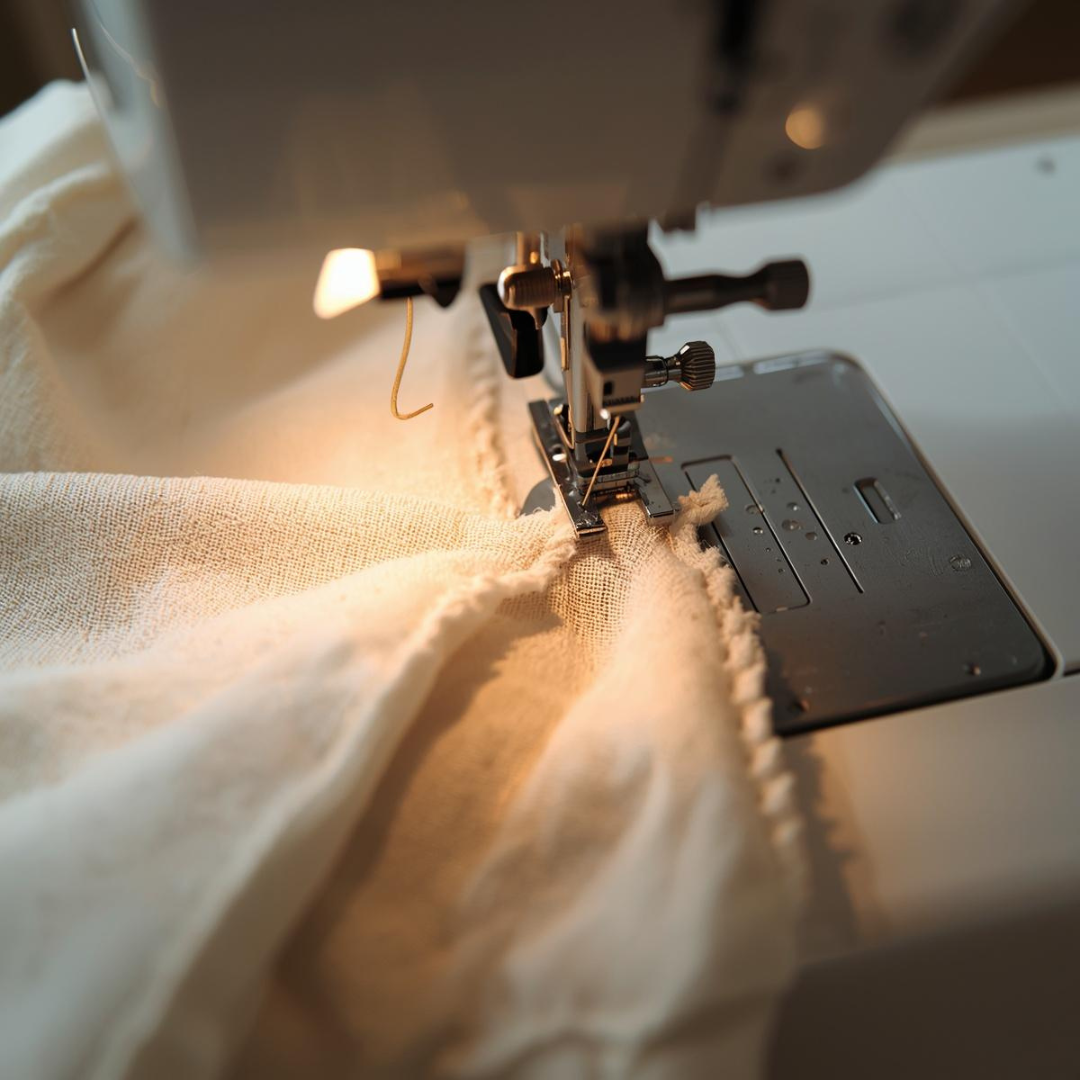
When we invest time in maintaining our belongings, whether resoling boots, repairing a torn seam, or conditioning leather furniture, we’re making a statement that transcends economics. We’re declaring that these items hold value beyond their initial purchase price. We’re acknowledging the resources, labor, and creativity embedded in their creation. We’re choosing longevity over landfill.

The Culture of Care
Our relationship with maintenance reflects our values. In cultures where garments pass through generations, care is woven into daily life. Mending is not remedial but reverential. Yet modern consumer culture has divorced us from this wisdom, convincing us that replacement beats repair, that new outshines restored.
Breaking this pattern requires shifting our narrative around cost. Yes, professional alterations, quality cleaning, and proper storage require investment. But compare the cumulative expense of replacing a winter coat every two years against maintaining one exceptional piece for a decade. The math favors care. So does the planet.
Bridging Intention and Action
The gap between wanting to live sustainably and actually doing it often feels overwhelming. Start smaller than you think necessary.
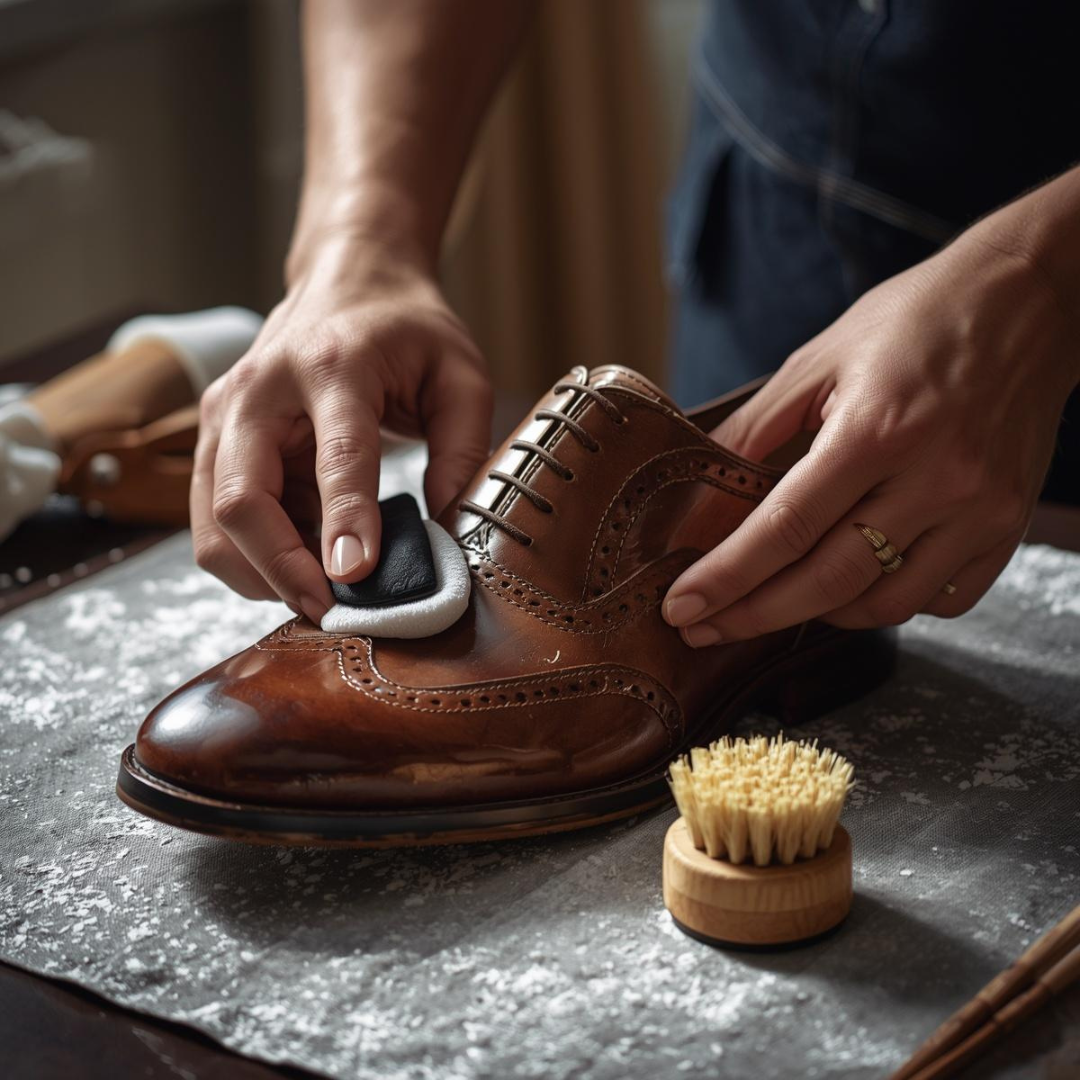
Choose one beloved item in your closet and commit to its care. Learn what it needs. A wool sweater wants gentle washing and flat drying. Leather boots thrive with occasional conditioning. Denim jeans prefer infrequent washing and air drying. These small acts compound into significant impact.
Establish a seasonal maintenance ritual. Twice yearly, assess what needs attention. Buttons tightened. Hems repaired. Stains treated. This prevents minor issues from becoming disposal decisions.

Build relationships with skilled repair professionals. A trusted tailor, cobbler, or upholstery specialist becomes part of your sustainability team. Their expertise extends the life of items you treasure.
The Ripple Effect
When we resist disposability, we participate in something larger than personal choice. We challenge industries built on planned obsolescence. We support artisans who repair rather than replace. We model different possibilities for those watching our example.
Sustainable living isn’t about achieving an impossible ideal. It’s about making informed choices that honor both our resources and our planet. Every repaired jacket, resoled shoe, and carefully maintained piece of furniture represents a small rebellion against waste culture.
These objects already exist. They’re in your closet, your home, your life. The question isn’t what to buy next. It’s how to care for what you already have.
Join the Conversation
What’s one item you’ve maintained or repaired that you’re proud of? Share your story in the comments. Or tell us about a simple care practice that’s become part of your routine. Your experience might be exactly what someone else needs to take that first step.
Together, we’re building a culture where care matters more than convenience
Written by Justine Reichman