What If Success Was Never About More?
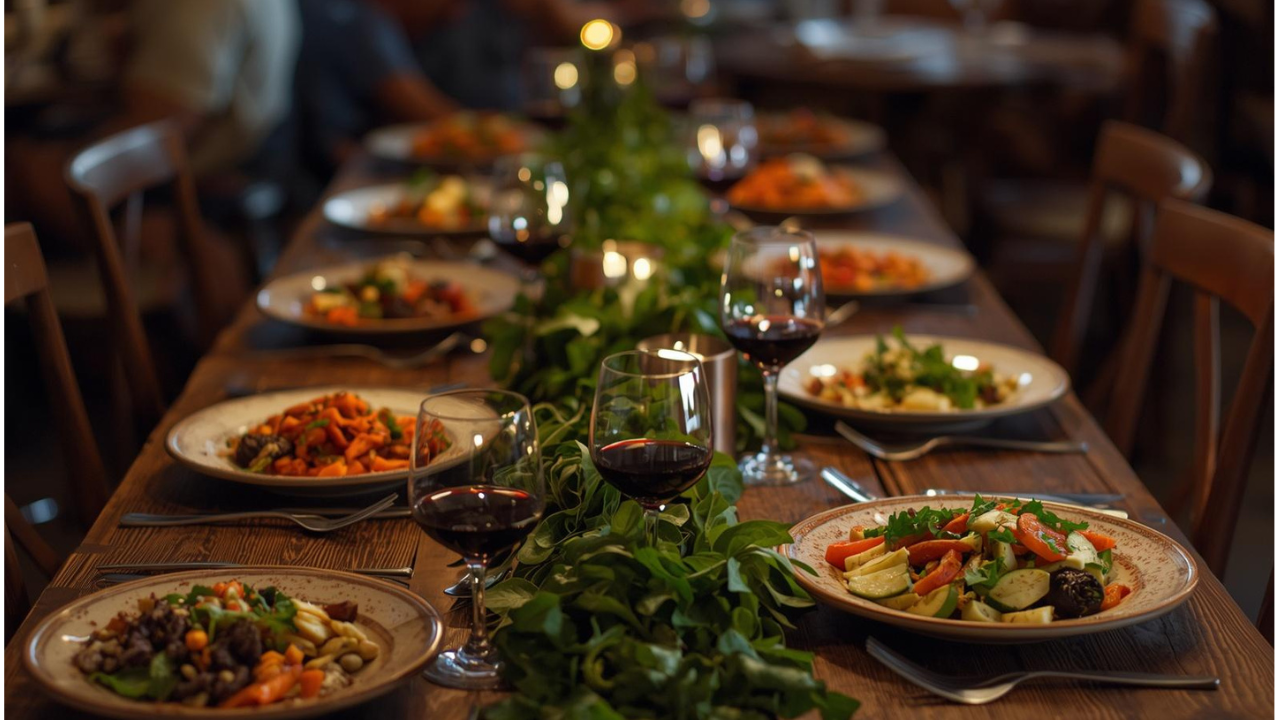
How the intersection of food, sustainability, and community is rewriting the rules of how we live — and inviting us to finally ask: what truly matters?
There is a quiet revolution happening — not in boardrooms or on protest lines, but at dinner tables, in farmers' markets, inside closets being reimagined. People are choosing differently. And in doing so, they are redefining what it means to succeed.
We grew up in an economy of accumulation. More was the metric. Bigger houses, fuller plates, faster fashion. But something has shifted. Call it a global reckoning. Call it the pandemic hangover. Call it simply — waking up. The Reinvention Economy is here, and it is being built one intentional choice at a time.
You don't have to blow up your life to reinvent it. You simply have to start paying attention to it.
The Table as a Political Act
Consider the dinner party. At first glance, it seems like the most ordinary thing in the world. But zoom in. What's on the table? Where did it come from? Who grew it? How was the room set?
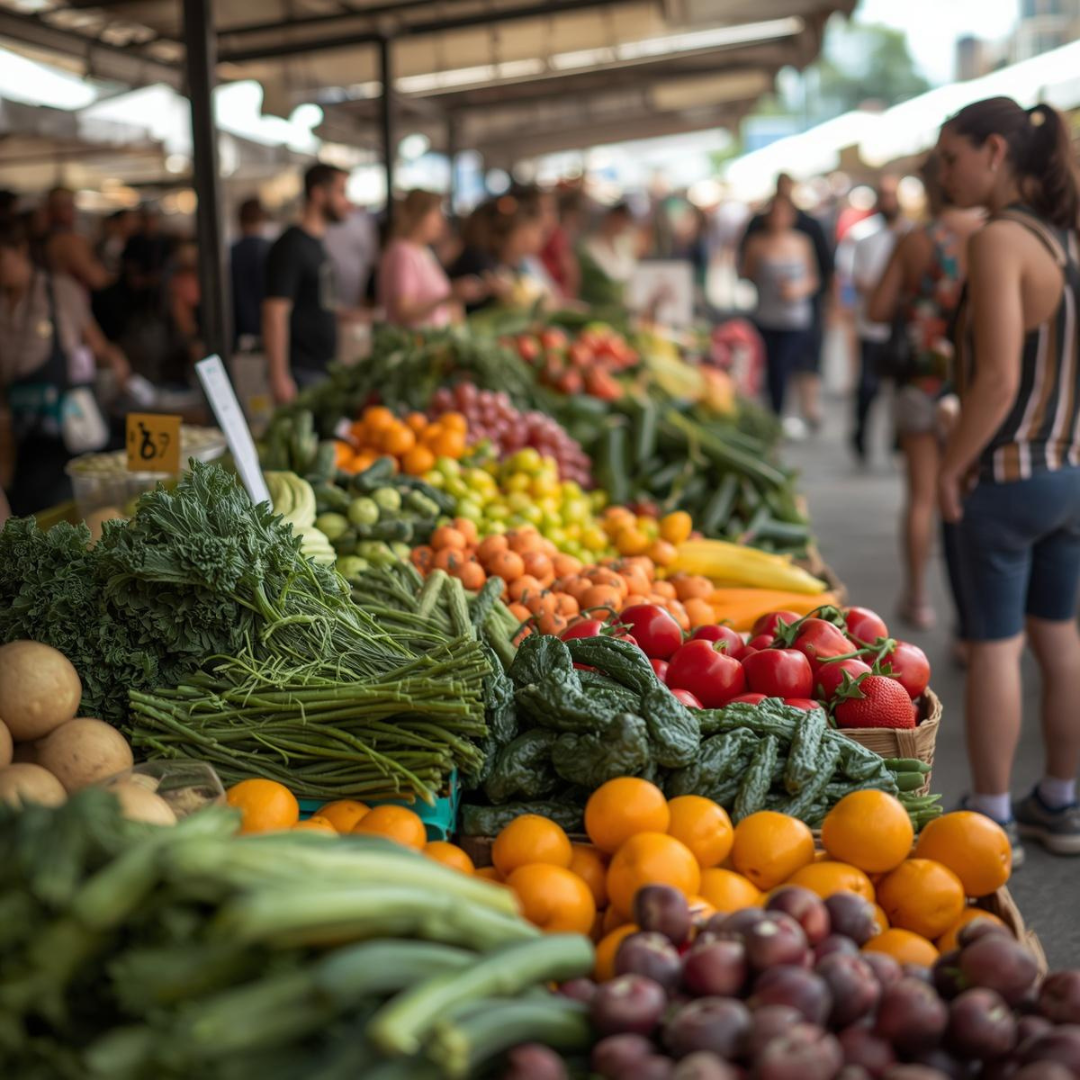
When I host, I think about these questions with intention. I reach for plants from my garden rather than cut flowers flown in from another continent. I choose my induction cooktop over gas — a small act that reduces emissions without sacrificing a meal. I plan my menu around what's seasonal, what's local, which ranchers and farmers I have a relationship with, and what my own garden is offering that week. The menu becomes a story about place and time and care.
This isn't deprivation. This is curation. And it turns out, curated is far richer than abundant.
AT THE TABLE
Swap cut flowers for potted herbs or garden clippings. Source your centerpiece from the same place you source your food — the earth beneath your feet.
IN THE KITCHEN
Induction over gas. Seasonal over imported. Know your farmer's name. Build your menu around what's already growing — in your garden, in your region.
IN YOUR CLOSET
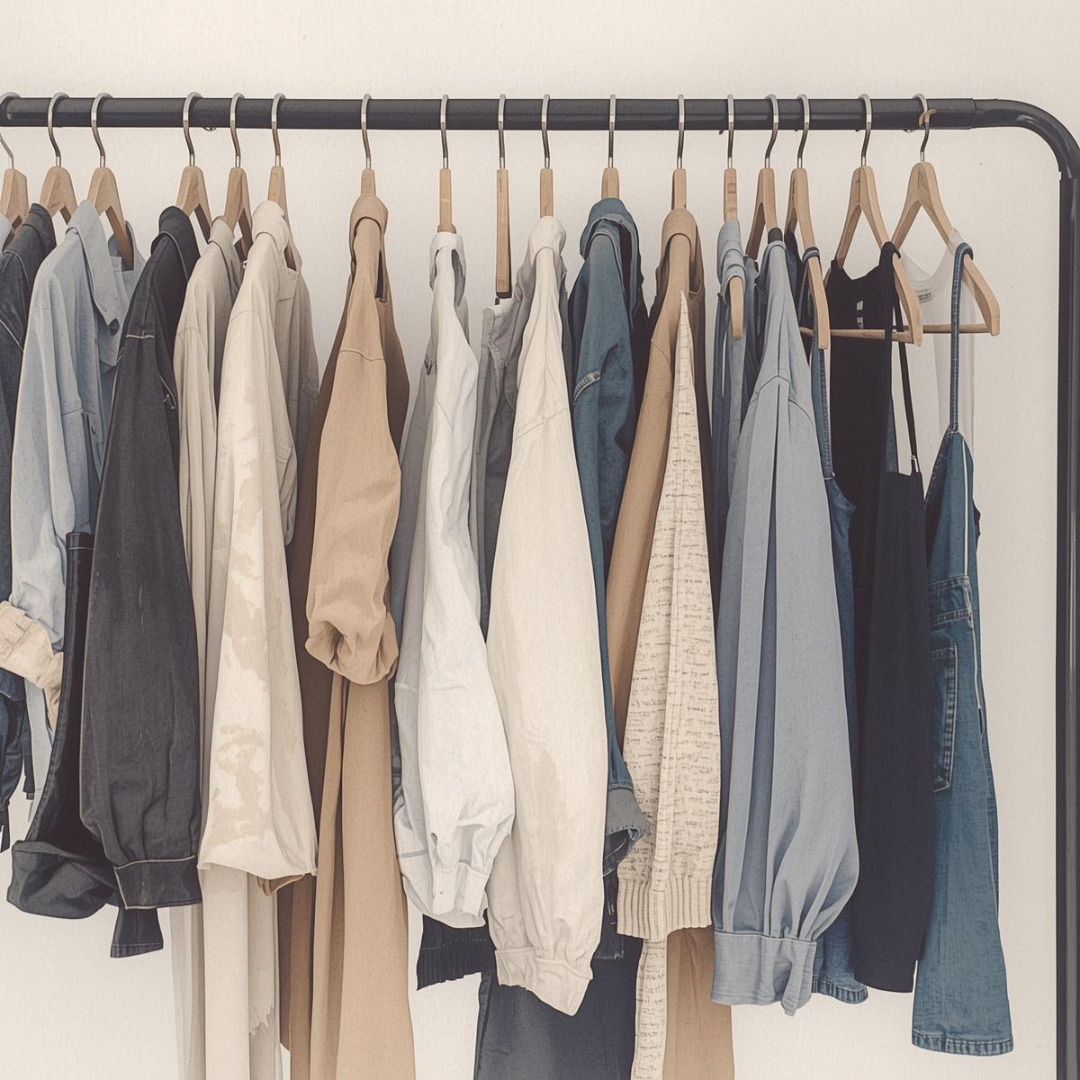
Before you buy, ask: what do I already own that I've stopped seeing? A vintage Ralph Lauren shirt, restyled, tells a richer story than anything new off a rack.
IN YOUR HOME
Repurpose before you purchase. Rethink a room's function. Design with weight — meaning, what stays, what serves, what has a story worth keeping.
Roots Are the New Revolution
The restaurant world is living this tension in real time. Chefs and owners are asking harder questions: Can we build a menu that reflects the land around us? Can we forge true relationships with local ranchers and farmers — not just as a marketing line on a chalkboard, but as a genuine supply chain? Can a kitchen embody community?
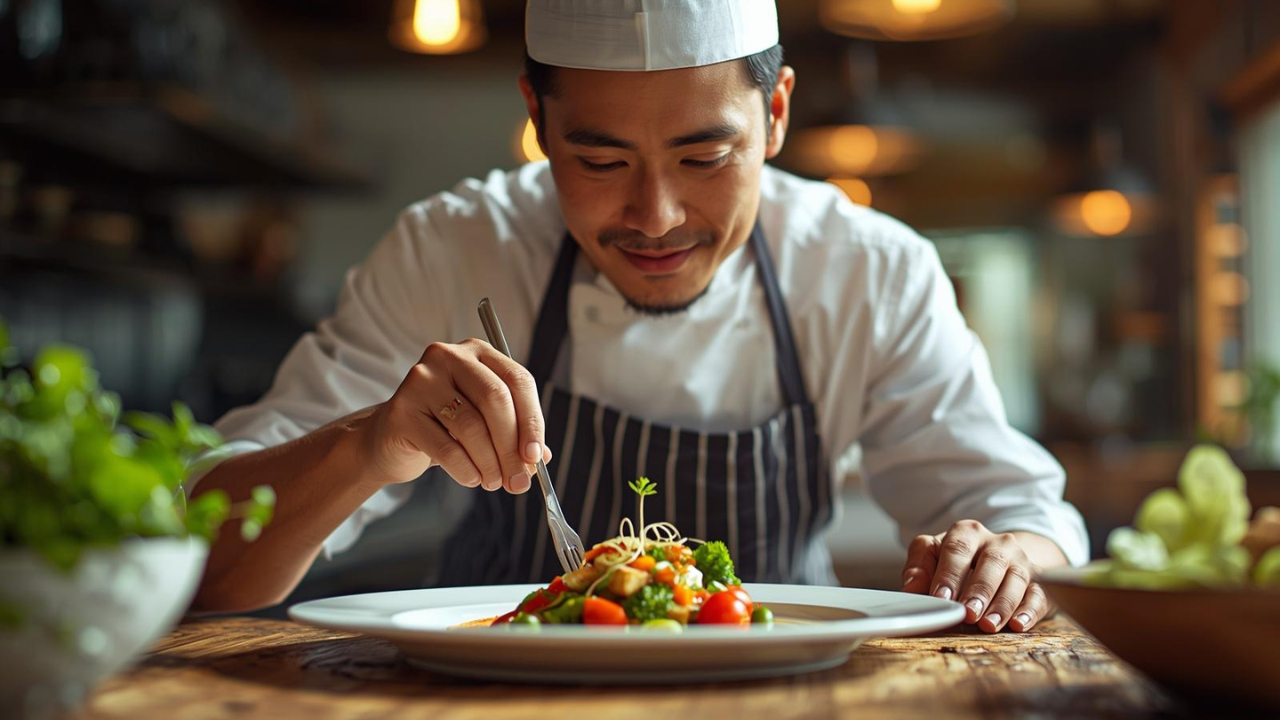
When a restaurant commits to local sourcing, it isn't just making an environmental choice — it is an economic one, a social one, a deeply human one. It keeps money in a community. It honors the labor of people who grow things. It shortens the distance between a seed and a plate, and in doing so, it shortens the distance between people.
This is what purpose-driven business looks like in practice. Not a mission statement. A relationship.
Fashion's Second Life
The same philosophy is flowering in fashion. Emerging designers are taking deadstock fabrics, vintage pieces, and discarded garments and doing something extraordinary — making them new again. Not nostalgic. Not ironic. New.
Think of the designers repurposing classic Ralph Lauren Oxford shirts — restructured, cropped, overdyed, layered — into something that feels entirely of the moment. They aren't rejecting heritage. They're in conversation with it. That's a creative and sustainable act wrapped into one.
The consumer who buys that shirt isn't just buying a garment. They're opting out of the extractive cycle of fast fashion. They're voting with their wallet for a different kind of economy. And they look extraordinary doing it.
The most radical thing you can do right now is change the story you tell about yourself — from what you consume to what you create, from what you accumulate to what you steward, from who you buy from to who you belong to.
Redefining Success: The Triple Win
What if success wasn't measured in net worth or square footage, but in the depth of your relationships, the health of your body, and the integrity of your choices? What if the question wasn't how much but how well?
This reframe — from accumulation to alignment — is at the heart of the Reinvention Economy. It asks us to hold three things at once: what's good for business, what's good for people, and what's good for the planet. The beautiful truth is that these don't have to be in opposition. In fact, the most enduring, meaningful work happens precisely at their intersection.
In my own life, this means pausing before a purchase. It means asking whether something I already own can be repurposed, re-worn, or reimagined. It means thinking about who I'm supporting when I spend money, and whether my home — the food in it, the objects in it, the energy running through it — reflects what I actually believe.
It means hosting differently. Living differently. And slowly, perhaps even thinking differently.
Community isn't built at scale. It's built at the table, at the market, in the slow accumulation of small, consistent choices made together.
The Invitation
You don't need to build a restaurant or launch a fashion brand to participate in the Reinvention Economy. You just need to start where you are, with what you have, and ask better questions.
What's in season right now? What's in your closet that deserves a second life? Who grew the food on your plate — and can you know their name? When you set your table this weekend, what story do you want it to tell?
The answers will surprise you. And in the asking, something will begin to shift — not just in how you live, but in how you see yourself. That is the real reinvention. Not a rebrand. A return. To roots. To community. To the radical, quietly revolutionary act of living on purpose.
The Reinvention Starts With You
What's one small choice you can make this week that aligns how you live with what you believe? Start there.
Written by Justine Reichman