The Earth Day Reset: 10 Small Changes That Actually Matter
We've all heard the classics. Bring a reusable bag. Take shorter showers. But what if the habits that could change everything are the ones nobody's talking about?
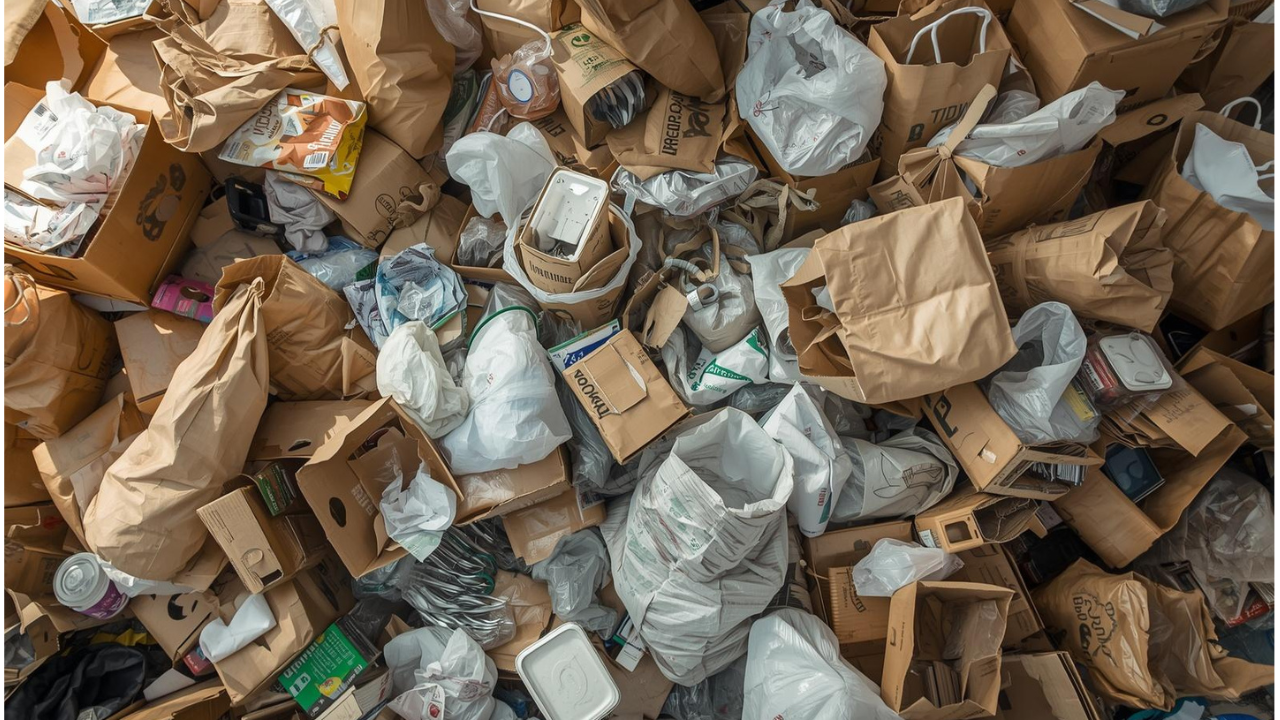
Let me be honest with you. I order in too much. Tim and I don't always eat at the same time, and cooking for one just feels... lonely. So I default to the app. It's easier. I can eat in front of my laptop or the TV without setting the table for a party of one. But every time a pile of plastic containers hits my recycling bin — the ones that aren't even recyclable — I feel it. That low hum of knowing better and still not doing better.
That tension? That's where real sustainability lives. Not in perfection. In the honest gap between who we are and who we want to be.
Earth Day isn't about guilt. It's about a reset. A chance to look at the habits we've sleepwalked into and ask: what would it actually take to live differently? Not dramatically. Just intentionally.
Here are 10 changes I think about — some I've made, some I'm still working on — that go far beyond the recycling bin.
"If every American reduced food delivery orders by just one per week and cooked at home instead, we'd divert an estimated 10 billion pieces of single-use plastic from landfills annually."
— THE IMPACT OF THE SMALL SHIFT
The List
01 Batch cook on Sundays — not for the gram, for the week.
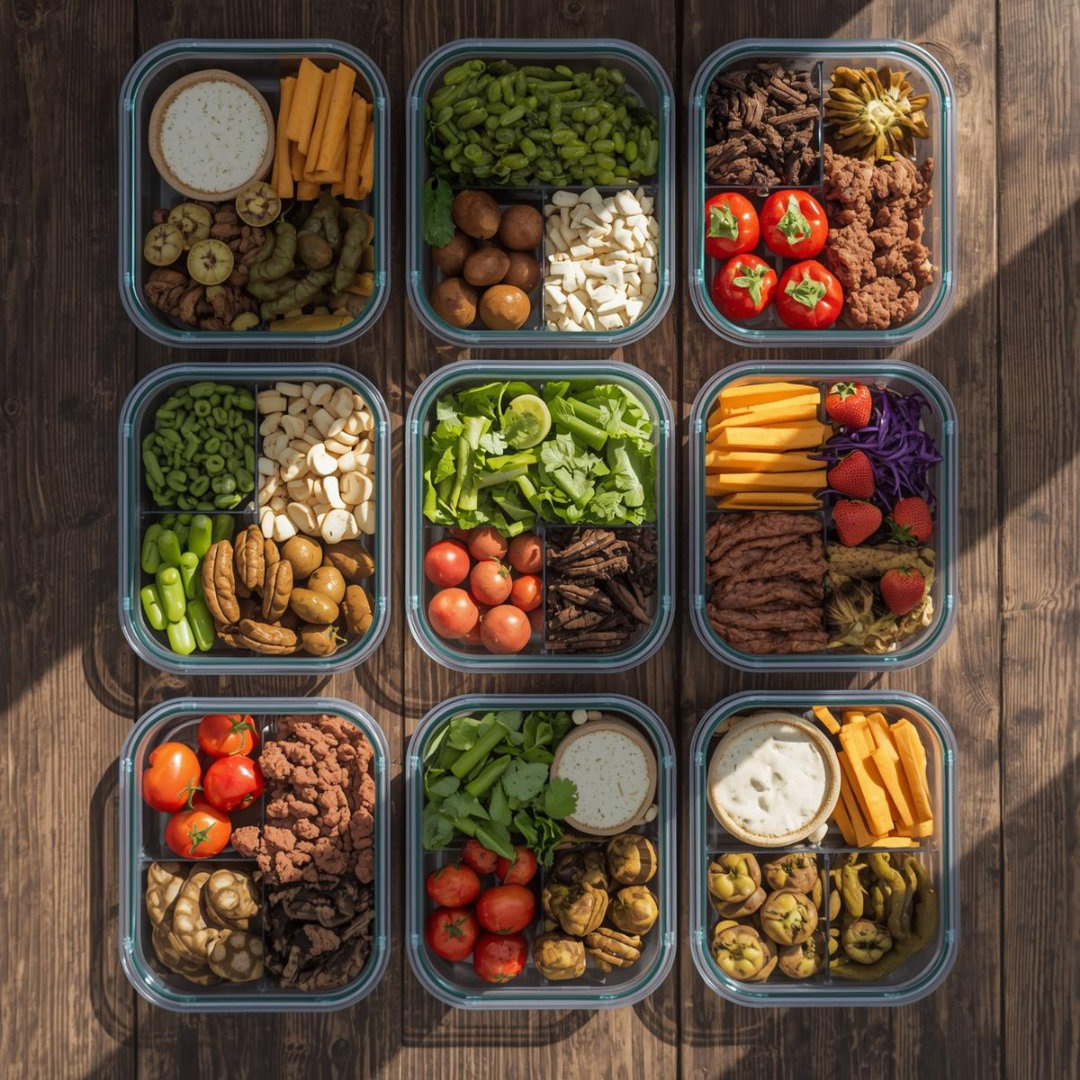
This is the one I'm committing to. Instead of ordering in on a Tuesday night because there's nothing ready, I prep on weekends when I love being in the kitchen. A pot of grains, roasted vegetables, a protein. It costs less, wastes less, and the food is actually good. Cooking for yourself is an act of self-respect — and it's radical in a world designed to make convenience feel like care.

02 Buy less clothing, but buy it better.
I don't follow trends. I never have. My test for any piece: will I still love this in ten years? If yes, I wait for a sale, hunt it down, or invest. If no, I walk away. Fast fashion is not just an environmental disaster — the water use, the microplastics, the labor conditions — it's a values mismatch I'm not willing to make. Fewer pieces, longer lives. Less is genuinely more.
03 Cook and host more — for others, not just yourself.
I love cooking for Tim. I love hosting. When I'm making food for people I love, I come alive in that kitchen. So instead of letting solo nights default to delivery, I'm building a rhythm: invite people over more, turn cooking into connection. Community and sustainability are not separate things. The table is where both happen.
04 Audit your subscriptions — digital clutter has a carbon footprint.
Data centers consume roughly 1–2% of global electricity. Every streaming service you pay for and don't use, every app running in the background — it adds up. A quarterly subscription audit saves money and quietly reduces your digital footprint. Not glamorous. Deeply effective.
05 Switch your search engine to one that plants trees.
Ecosia uses ad revenue to fund reforestation. You search the web exactly as you normally would. The switch takes 30 seconds. The impact compounds daily. It's possibly the easiest swap on this entire list.
06 Buy ingredients, not meals.
A whole chicken, some good olive oil, seasonal vegetables from your farmers market — this is cheaper per serving, far less packaging, and the food is incomparably better. Learning to cook from ingredients rather than recipes is a life skill and a planetary one.
07 Stop washing clothes after every single wear.
Most laundry doesn't need to be laundered. Washing less extends garment life dramatically, saves water and energy, and reduces microplastic release into waterways. Air things out. Spot clean. Refresh with a steam. Your clothes — and your water bill — will thank you.
08 Eat meat less often — but better meat when you do.
I'm not prescribing veganism. I'm prescribing intention. One fewer meat-based meal per week per household has a measurable climate impact. And when you do buy meat, choose regeneratively raised, local, or pasture-based when you can. Quality over quantity. That's the shift.
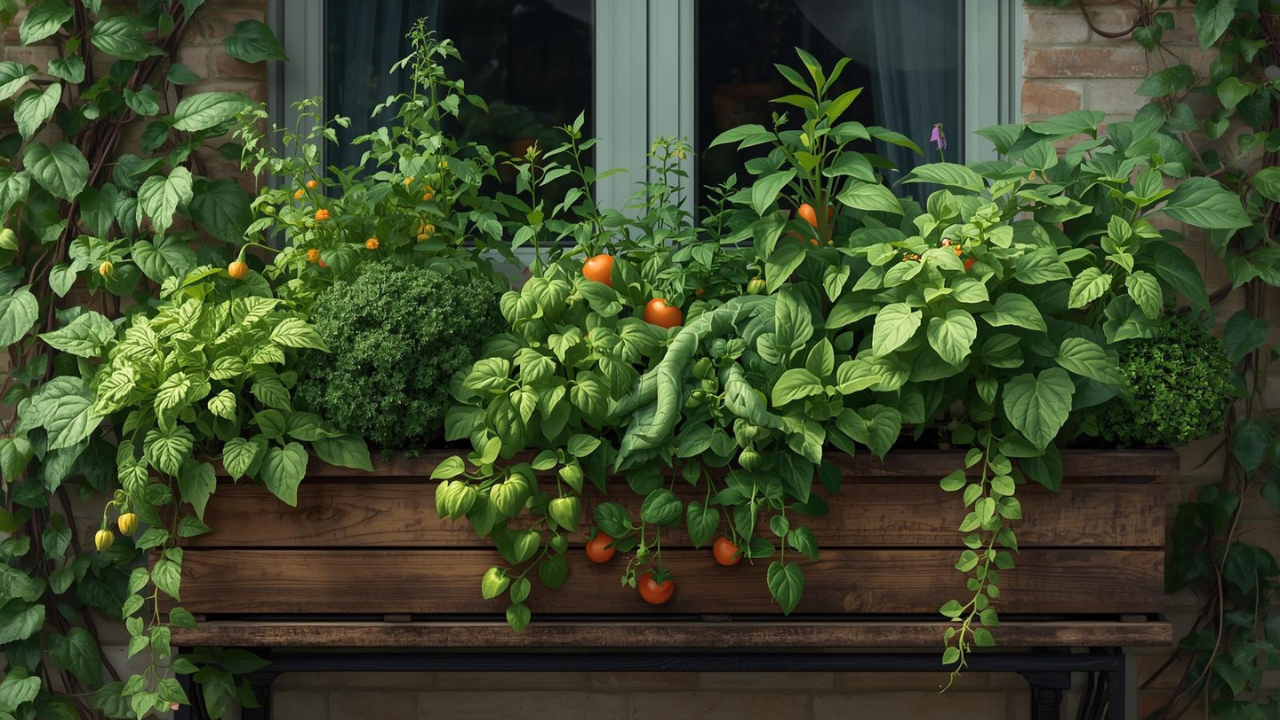
09 Start a tiny garden — even one pot counts.
I garden because it grounds me. But growing even a single herb or tomato plant reconnects you to where food actually comes from. It reduces packaging waste, keeps you attuned to seasons, and quietly rewires how you think about consumption. Plus, nothing tastes like a tomato you grew yourself.
10 Move your money — even a little.
Most people don't know their bank is one of the largest funders of fossil fuel projects in the world. Switching to a credit union, a community bank, or a values-aligned institution is one of the highest-impact financial moves an individual can make. It's uncomfortable. It takes an afternoon. It matters enormously.
Change is uncomfortable. I know. I still reach for my phone to order dinner some nights. But I'm getting better. I'm cooking more on weekends. I walked past a trend piece at a store last week and kept walking. Small wins. Real ones.
Sustainability isn't a destination. It's a practice — like Pilates, like any discipline worth having. You don't arrive. You just keep showing up, a little more intentionally than before.
That's the only reset that matters.
Living with Purpose, Not Perfection
At NextGen Purpose, we believe that eating right is a human right — and that a more sustainable world is built not by perfectionists, but by people willing to do the uncomfortable work of changing one habit at a time. If this resonated with you, share it with someone who's ready for their own reset.
© NEXTGEN PURPOSE · ESSENTIAL INGREDIENTS · NEXTGENPURPOSE.COM
#EarthDay #SustainableLiving #NextGenPurpose #ConsciousLiving #TripleWin
Written by Justine Reichman