The Future of Healthy Aging Is on Your Plate
Discover how food is becoming a health intervention. Insights from MISTA 2026 reveal how personalized nutrition is shaping the future of healthy aging.
Last month I was in a room full of people who are quietly reshaping what food is allowed to be.
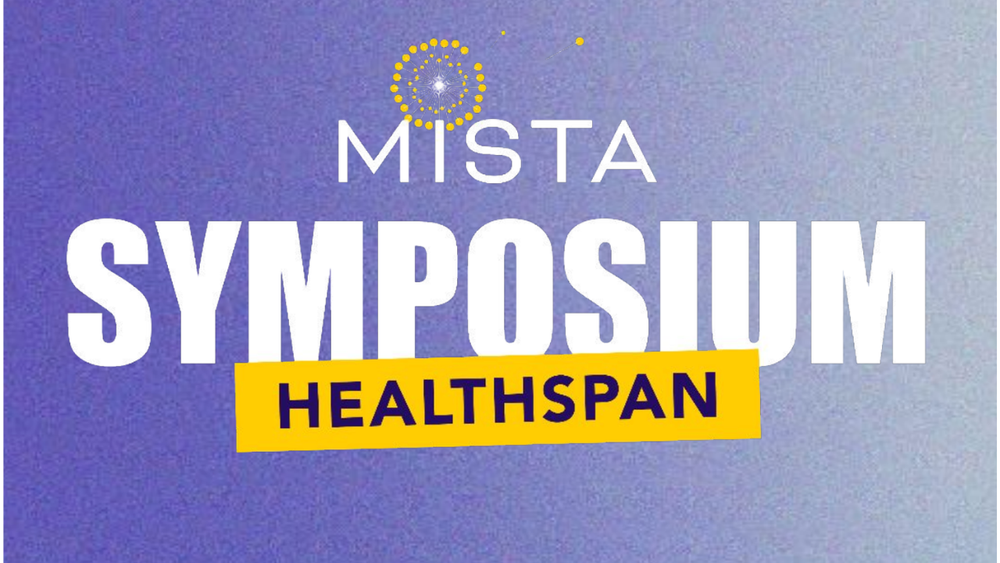
The MISTA 2026 Healthspan Symposium brought together ingredient companies, food startups, investors, and scientists for a day built around a simple but radical premise: that food is not just sustenance. It is a health intervention. And the gap between what we eat, what we supplement, and what we medicate with is closing faster than most consumers know.
What struck me most was how they organized the day. Not by ingredient category or technology platform. By people. Four personas. Bob, a middle-aged sedentary adult. Jennifer, a perimenopausal active woman. Dereck, a GLP-1 user trying to transition off the drug. Onyx, a biohacker who intends to live as long as possible, on his own terms.
Every startup, every corporate case study, every panel had to show up with that specificity. Who is this for? What stage of life are they in? What does their body actually need right now?
That discipline is rare. And it matters enormously.
I spend my days working with founders and food companies at the intersection of capital, strategy, and growth. What I see consistently is that the businesses with the clearest picture of their customer, not just who they are but what they are navigating physically, hormonally, financially, in terms of time and trust, are the ones that build something durable. The ones that raise capital. The ones that get into retail and stay there.
The healthspan conversation is accelerating in important ways.

GLP-1 medications have already changed how the food industry thinks about satiety, portion size, and the role of protein. The perimenopausal consumer, historically an afterthought in product development, is now a named persona at major food innovation symposia. Biohackers, once a niche internet subculture, are a legitimate market segment that ingredient companies are actively formulating for.
The science is moving faster than most people outside these rooms realize.
And that is where I keep returning to the question Justine Reichman raised in her recent Essential Ingredients newsletter: when did we stop pausing long enough to truly understand what is in front of us? She was writing about curiosity as a personal practice. But it lands just as hard as a business question.
The companies winning in the food and health space right now are the ones that stayed curious long enough to see a consumer need that everyone else had already categorized and moved past. Jennifer is not just a demographic. She is a woman in one of the most physiologically complex periods of her life, with disposable income, sophisticated health literacy, and almost no products designed with her specific biology in mind.
That is a market. That is also a responsibility.
The future of healthy aging will be shaped by the founders and companies willing to ask better questions before they rush to faster answers. Who is this for, at what stage of life, and what do they actually need to thrive?

I left that symposium more convinced than ever that the food industry is capable of answering that question well.
The work is making sure the answers reach the people who need them.
The Journal
Get essays like this in your inbox
New pieces every week on wellness, sustainability, food, and conscious living.
The Essential Ingredients Letter · Free
Get the letter. Stay in the conversation.
Enjoyed this episode? Justine sends one newsletter every Thursday on conscious living — food, wellness, sustainability, and the choices that compound.
Every Thursday · No spam · Cancel any time
Subscribe to the podcast
Never miss a Tuesday conversation. Subscribe or follow on your favorite listening app.
Free · Every Thursday
Subscribe
Enter your email below.