
Renovating for the Future: How the Choices We Make at Home Shape Our Health and Our Planet
A renovation revealed the health risks of gas stoves and the power of small sustainable swaps—induction cooking, low-VOC paint, and ENERGY STAR appliances.
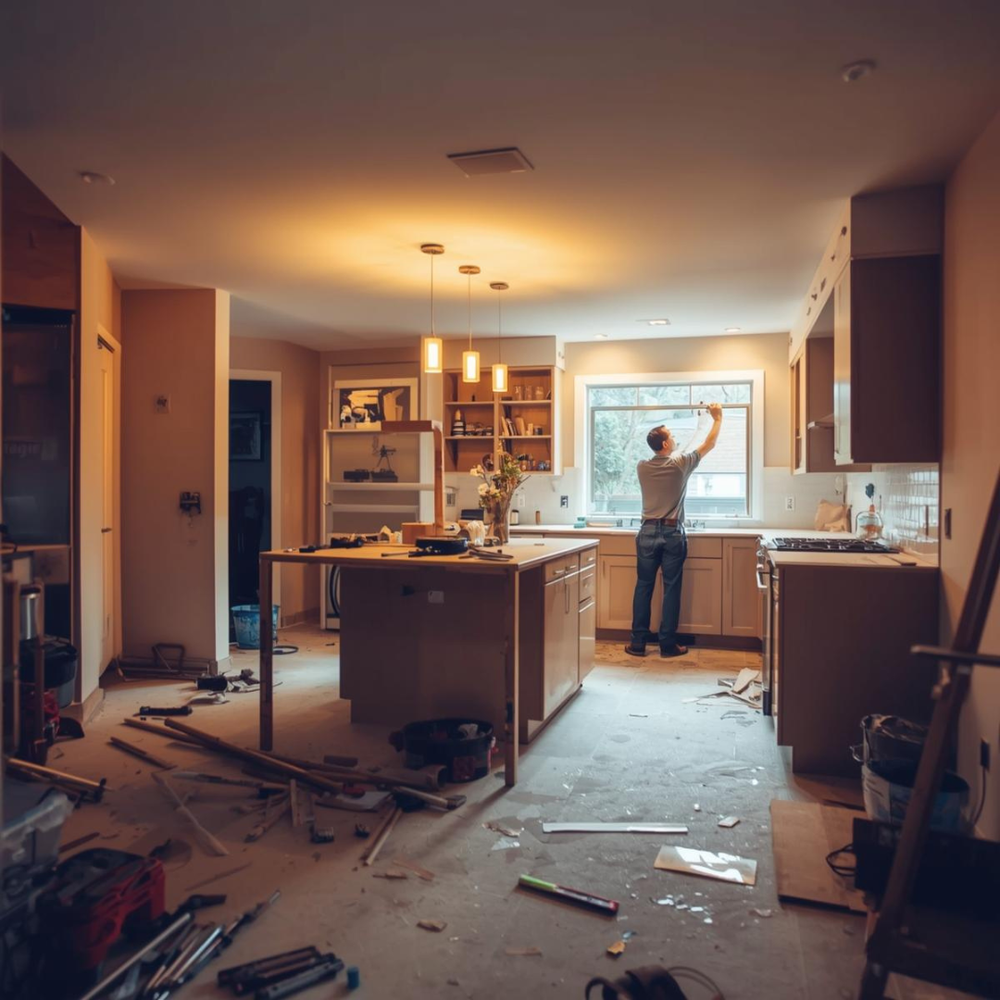
When I bought my house in 2021, I wasn’t planning a renovation. Then we found a leak, and suddenly I was in it. One fix led to another, which led to another, and before I knew it, the whole thing had steamrolled into a full scale project I hadn’t mapped out or prepared for. There was no Pinterest board, no grand sustainability plan. It was just: this is broken, this needs replacing, and now I have to make a decision.
And that’s when it hit me. These choices mattered. Not in some abstract, someday way. They would directly affect our health, our daily life, our energy use, and the planet. So I did what I had to do: I educated myself quickly so I could make more informed decisions in real time, while the contractors were already in the house.
One of the biggest choices was the stove. I’d grown up cooking on gas. I loved the click of the igniter, the visible flame, the feeling that I could cook through a power outage. It was familiar. It was comfortable. And comfort, I’ve learned, is often the thing standing between us and a better choice.
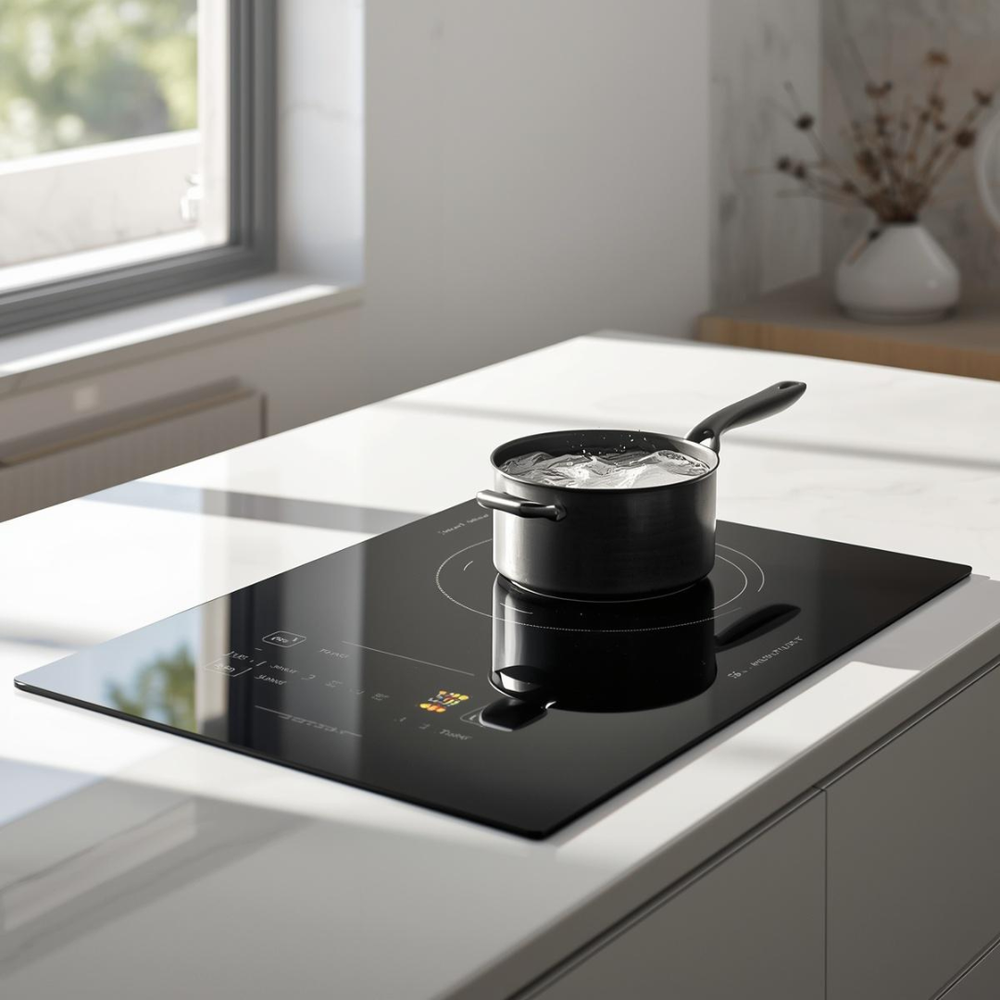
So I did what felt honest. I went with a dual fuel range, part gas and part induction. A foot in each world. And here’s what actually happened: I almost never use the gas side. The induction burners heat water in roughly half the time, cook more evenly, and give me precise temperature control I never had with gas. The only time I’ve reached for the gas burners? When the power has gone out. That’s it.
What I didn’t fully appreciate at the time is what the research now makes impossible to ignore. A 2024 study published in Science Advances and led by researchers at Stanford and Harvard found that gas stoves expose households to nitrogen dioxide at levels that can exceed WHO safety thresholds, and that pollution lingers for hours after you turn off the burner. The same research team found that gas stoves also release benzene, a known carcinogen linked to leukemia, with risk levels particularly elevated in smaller homes with less ventilation. A separate 2022 analysis estimated that roughly 12.7% of childhood asthma cases in the U.S. are attributable to gas stove use. Switching to electric cooking could reduce household nitrogen dioxide exposure by more than 50% for heavy stove users.
These numbers changed how I think about “comfort.” Sometimes the thing we’re used to isn’t the thing that’s best for us, or for the people around us.
But here’s what I want to be clear about: this isn’t just a checklist or a set of next steps you tick off and move on. It’s a movement. A fundamental shift in how we think about the spaces we live in and the choices we make inside them. It’s about rejiggering the way we approach our homes so that health, sustainability, and intention become the default, not the afterthought. And it only works if we get everyone on board: homeowners, renters, contractors, designers, cultivating this way of thinking, building, and living together.
The beautiful thing is, it doesn’t require a master plan. I’m proof of that. It can start with a leak and a willingness to learn. It can start as simply as a can of paint. Conventional paints release volatile organic compounds that contribute to indoor air pollution long after they dry. Choosing low VOC or zero VOC paint costs only marginally more, roughly 5 to 15%, and the health benefit to your indoor air quality is immediate. Water saving fixtures are another high impact, low barrier change. Low flow showerheads and faucets can reduce household water use by 20% or more. And when it’s time to replace appliances, looking for the ENERGY STAR label ensures you’re choosing models held to strict efficiency standards. LED bulbs alone use about 75% less energy than incandescent options and last up to 25 times longer.
None of these are radical overhauls. They’re entry points into a different way of living, and every person who makes one of these choices is joining something bigger than their own renovation. That’s what makes this a movement, not a moment. When you choose induction and tell your neighbor why, when you ask your contractor about zero VOC finishes, when you swap out a showerhead and talk about it at dinner, you’re helping to build a culture where living healthier and thinking bigger aren’t fringe ideas. They’re just how we do things.
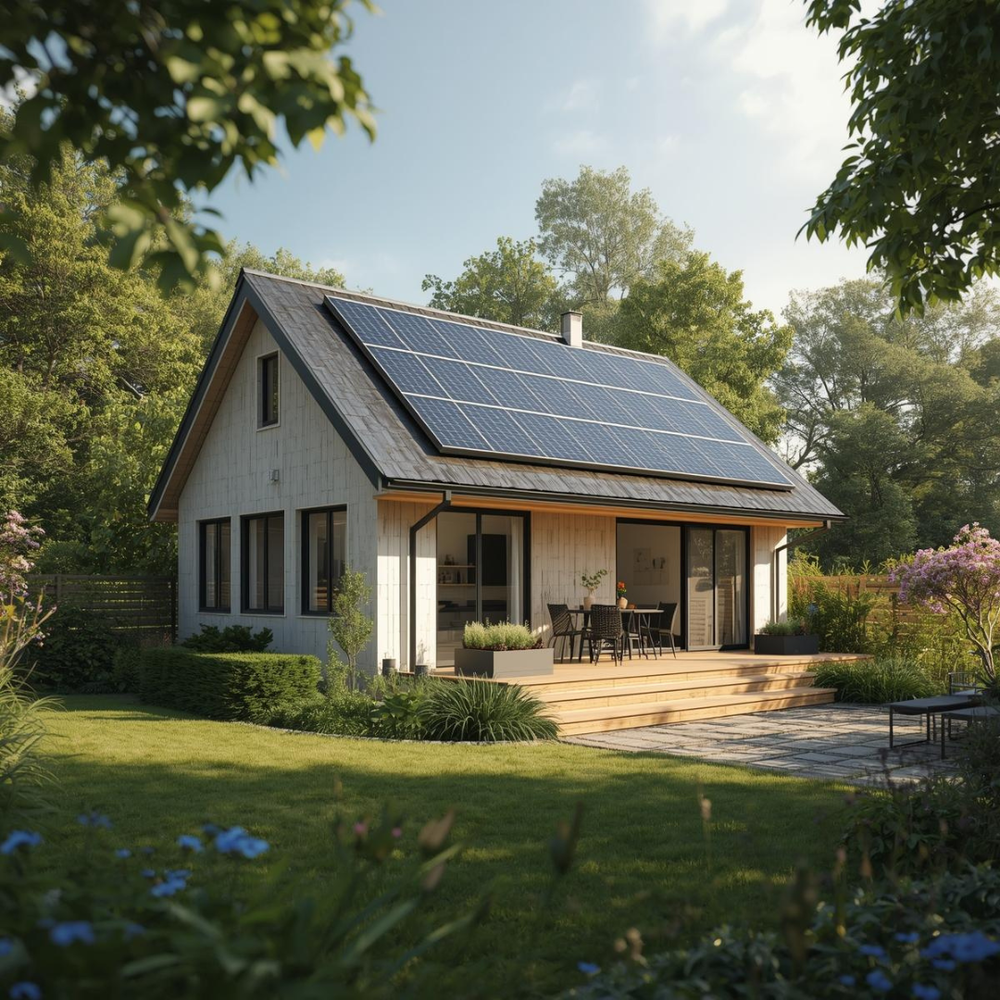
My renovation taught me that you don’t need a perfect plan. You need a willingness to ask better questions when the moment comes, and it will come, whether it’s a leak, a remodel, or just a lightbulb burning out. Living sustainably isn’t only about buying sustainable products. It’s about how we choose to live: the fixtures we install, the paint on our walls, the appliances we cook on every night. It has to be something we can do, day in and day out, that aligns with both our values and our real lives. Sustainability has to be sustainable.
You don’t have to do it all at once. You just have to start, and then bring someone with you. That’s how a choice becomes a conversation, a conversation becomes a commitment, and a commitment becomes a movement.
The Journal
Get essays like this in your inbox
New pieces every week on wellness, sustainability, food, and conscious living.
The Essential Ingredients Letter · Free
Get the letter. Stay in the conversation.
Enjoyed this episode? Justine sends one newsletter every Thursday on conscious living — food, wellness, sustainability, and the choices that compound.
Every Thursday · No spam · Cancel any time
Subscribe to the podcast
Never miss a Tuesday conversation. Subscribe or follow on your favorite listening app.
Free · Every Thursday
Subscribe
Enter your email below.