The Sustainable Revolution: How 2025’s Game-Changing Brands Are Rewriting Our Future
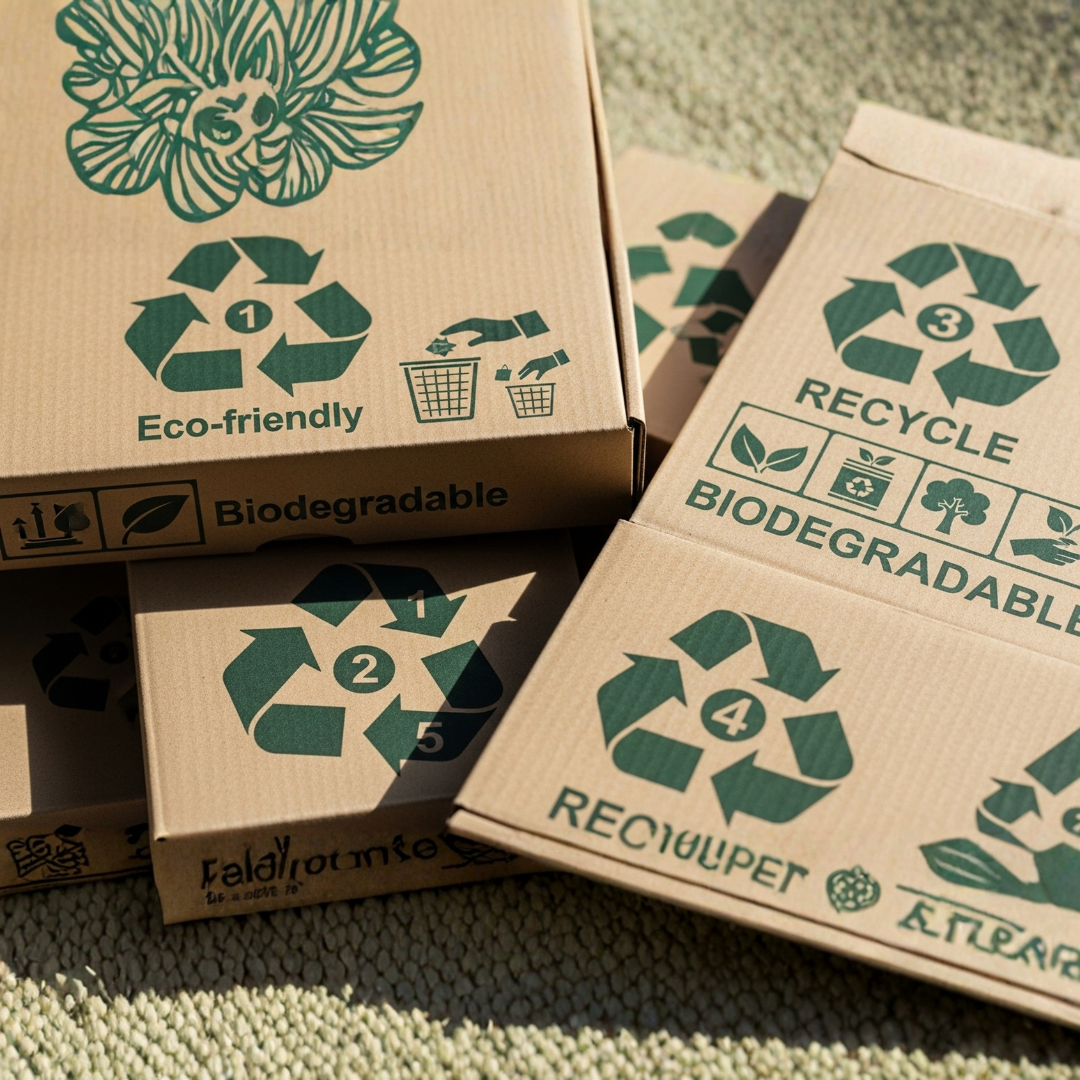
Welcome to the new era of conscious consumption, where innovation meets responsibility and every purchase becomes a vote for the planet we want to live in.
The Categories That Are Changing Everything
Regenerative Tech: Beyond Carbon Neutral
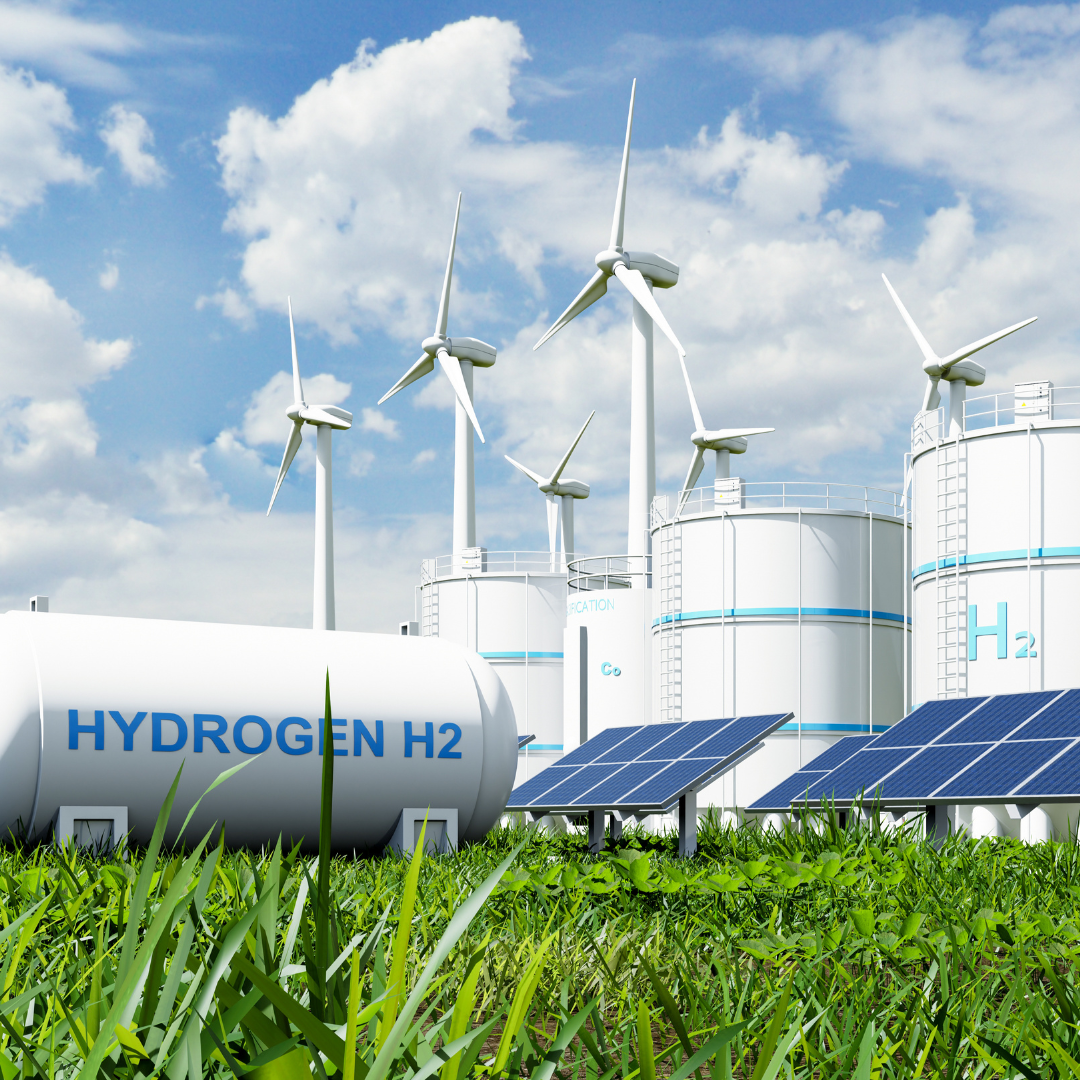
Companies like Infinium are scaling up production of fuel made from renewable energy and captured CO2 that can replace diesel and jet fuel for customers like Amazon and American Airlines, while Savor creates butter and other fats made from CO2.
Emerging players: Graphyte pioneers carbon removal by making bricks from farming waste, while Equatic takes CO2 out of seawater while producing green hydrogen.
Thought Leaders: Jigar Shah, Director of the Loan Programs Office at the U.S. Department of Energy, oversees significant loan authority in manufacturing and innovative project finance, and Monty Simus, Global Director of Public Affairs, Policy, and Blue Finance of The Ocean Cleanup, leads efforts to drive global policy change and innovative financing for ocean restoration.
Food Revolution: From Lab to Table
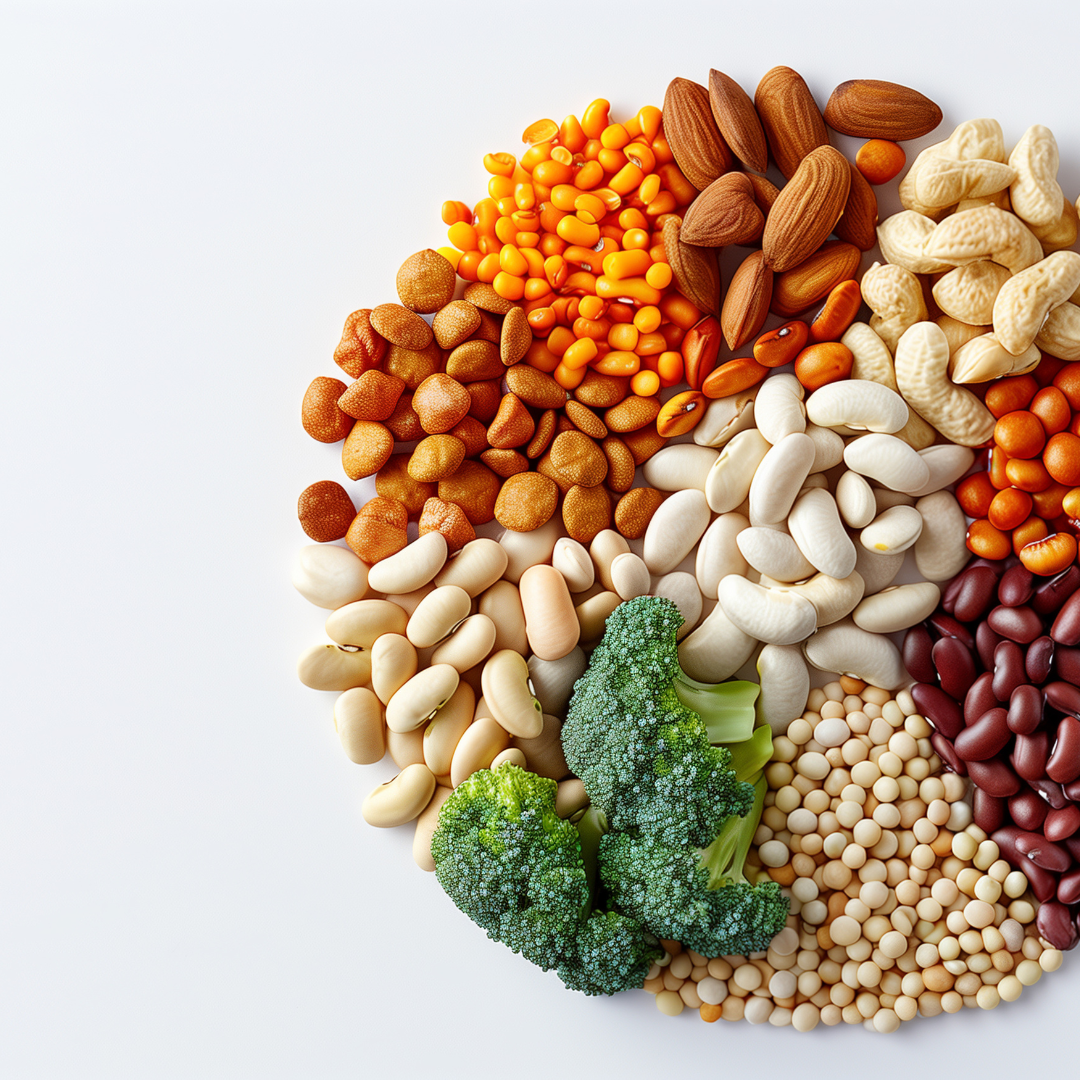
The future of food is being rewritten by breakthrough technologies. Fava bean is a trending plant protein, while almond and lentil protein are emerging in the market.
Lab-grown meat is poised to make a substantial impact, with the United States approving cultivated chicken and the UK becoming the first European country to approve lab-grown meat for pet food.
Beauty & Wellness Reimagined
The US beauty industry in 2025 is leveraging longevity skincare, which prioritizes healthy aging and sustained skin vitality. Brands are moving beyond “anti-aging” to focus on regenerative beauty, ensuring products have a positive environmental impact.
Game-Changers: Credo Beauty developed revolutionary recyclable pumps, while 900.care sells active ingredients in compact sticks, preventing millions of plastic bottles from entering waste streams.
Rising stars: KindBeauty secured £500,000 for plastic-free hair products, Sparxell creates biodegradable pigments from plant cellulose, and Humankind eliminates single-use plastic with refillable beauty essentials.

The Mission Behind the Movement
These brands aren’t just selling products—they’re solving existential challenges. 92% of consumers say sustainability is important when choosing a brand, and they’re backing it up with their wallets. But this goes deeper than consumer preference.
Short-term goals (2025-2027):
Achieve carbon-neutral manufacturing
Eliminate single-use packaging
Scale regenerative ingredients
Long-term vision (2030+):
Create carbon-negative business models
Establish circular economies
Restore damaged ecosystems
Why This Matters for Your Health and Our Planet
Consumers are prioritizing integrated self-care approaches that address both mental and physical well-being. Products now contain adaptogens for stress relief, probiotics for gut health, and ingredients that support cellular regeneration.
For the planet: These innovations could prevent 120 billion cosmetic packages annually from polluting our environment and transform agriculture from a carbon emitter to a carbon sink.
The Biggest Hurdles Ahead
Scale Challenge: Moving from prototype to mass production while maintaining sustainability
Cost Barriers: Roughly half of consumers are open to paying more for eco-friendly packaging, but affordability remains crucial
Regulatory Navigation: Approvals for human consumption of lab-grown meat are anticipated to expand, but bureaucratic processes slow innovation
How to Join the Revolution
Become a Conscious Detective: Look for third-party certifications like Regenerative Organic Certification, which already lists more than 1800 certified products.
Start Small, Think Big: Try brands like Allbirds (carbon-neutral sneakers from sustainable materials), Lululemon introducing enzymatically recycled nylon, Quince (ethical basics at accessible prices), or emerging brands like Grove Collaborative (100% plastic-free by 2025), Saie (clean beauty with 2,000+ banned ingredients), and EcoCart (browser extension for carbon-free shopping).
Support Innovation: Every purchase of sustainable products sends a market signal that drives more innovation and lower prices. Explore platforms like EarthHero (280+ ethical brands) and Sustainable Brands for the latest innovations.
The Bottom Line
We’re witnessing the birth of an economy where profit and purpose align. The sustainable beauty market alone is predicted to reach $433.2 billion by 2034, proving that doing good is also good business.
This isn’t just a trend—it’s a transformation. The brands leading this revolution aren’t asking you to sacrifice quality or convenience. They’re proving that the products that are best for you can also be best for the planet.
Ready to be part of the solution? The future is sustainable, and it starts with your next purchase. Welcome to tomorrow, available today.
Written by Justine Reichman