The Great Ingredient Revolution: When “Clean” Meant Something Different
A Story About Choices, Chemistry, and Common Sense
For decades, the promise was simple: stay fresh, smell good, avoid sweat. We reached for deodorants that worked, aluminum laden sticks that plugged our pores and parabens that extended shelf life. The trade off? Our health took a backseat to hygiene theatre.
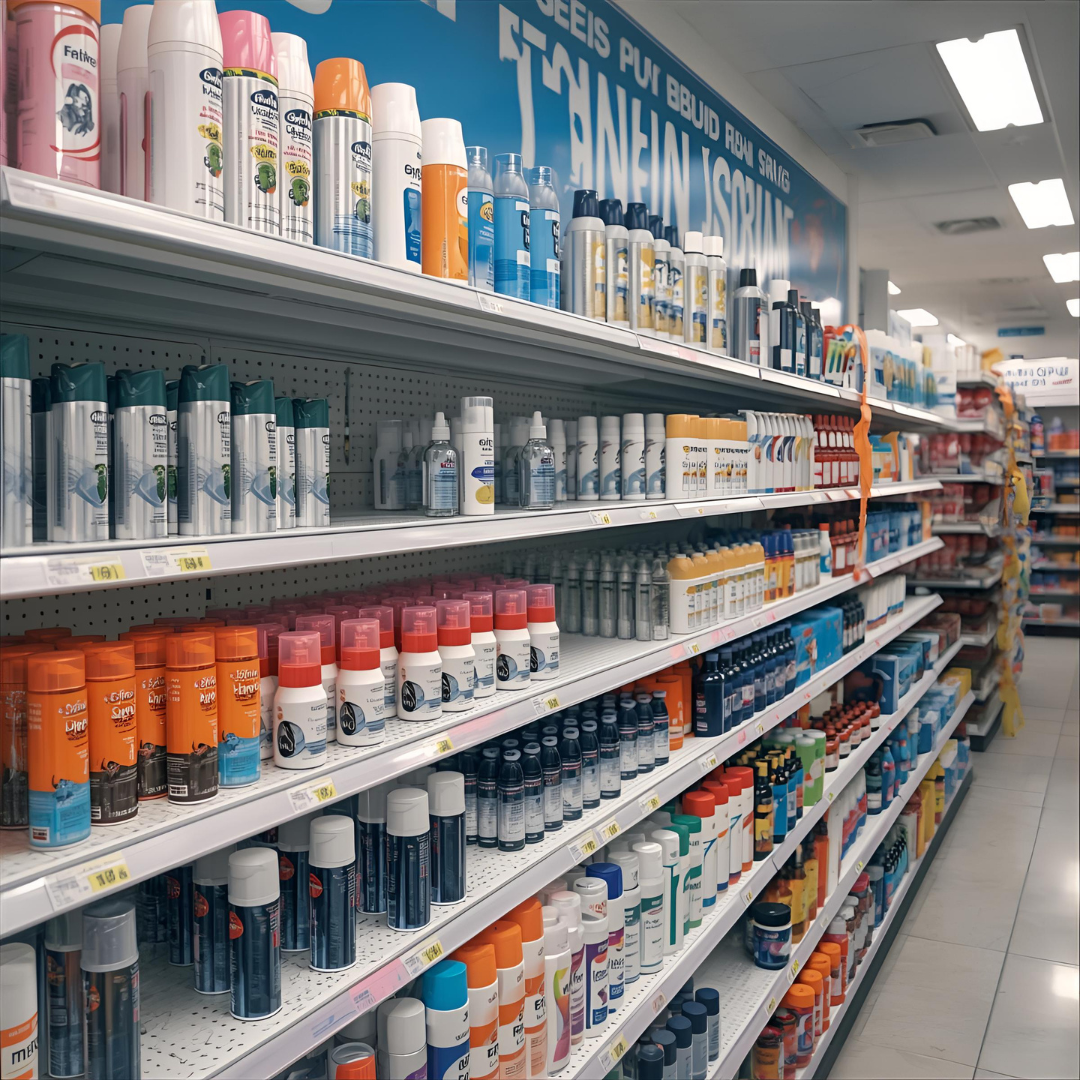
I remember the dilemma vividly. Standing in the drugstore aisle, choosing between the industrial strength antiperspirant that actually worked and the natural option that left me skeptical by noon. It felt like an impossible choice: effectiveness or wellness. Never both.
Then, something shifted. Europe started saying no.

The Wake Up Call
In December 2023, the European Union banned 30 toxic chemicals from beauty and personal care products, targeting substances classified as carcinogenic, mutagenic, and toxic for reproduction. By September 2025, even more hazardous substances, including bisphenol AF, tetrabromobisphenol A, and others, were prohibited.
This was not just regulatory housekeeping. The EU has now banned or restricted over 1,600 chemicals from personal care products. Meanwhile, the U.S. FDA prohibits just nine for safety reasons.
The gap is staggering. And it raises an uncomfortable question: Why are Americans still slathering themselves with ingredients Europe deemed too dangerous?
What is Actually In Your Deodorant?
Those concerning elements we have been avoiding? Let us name them.
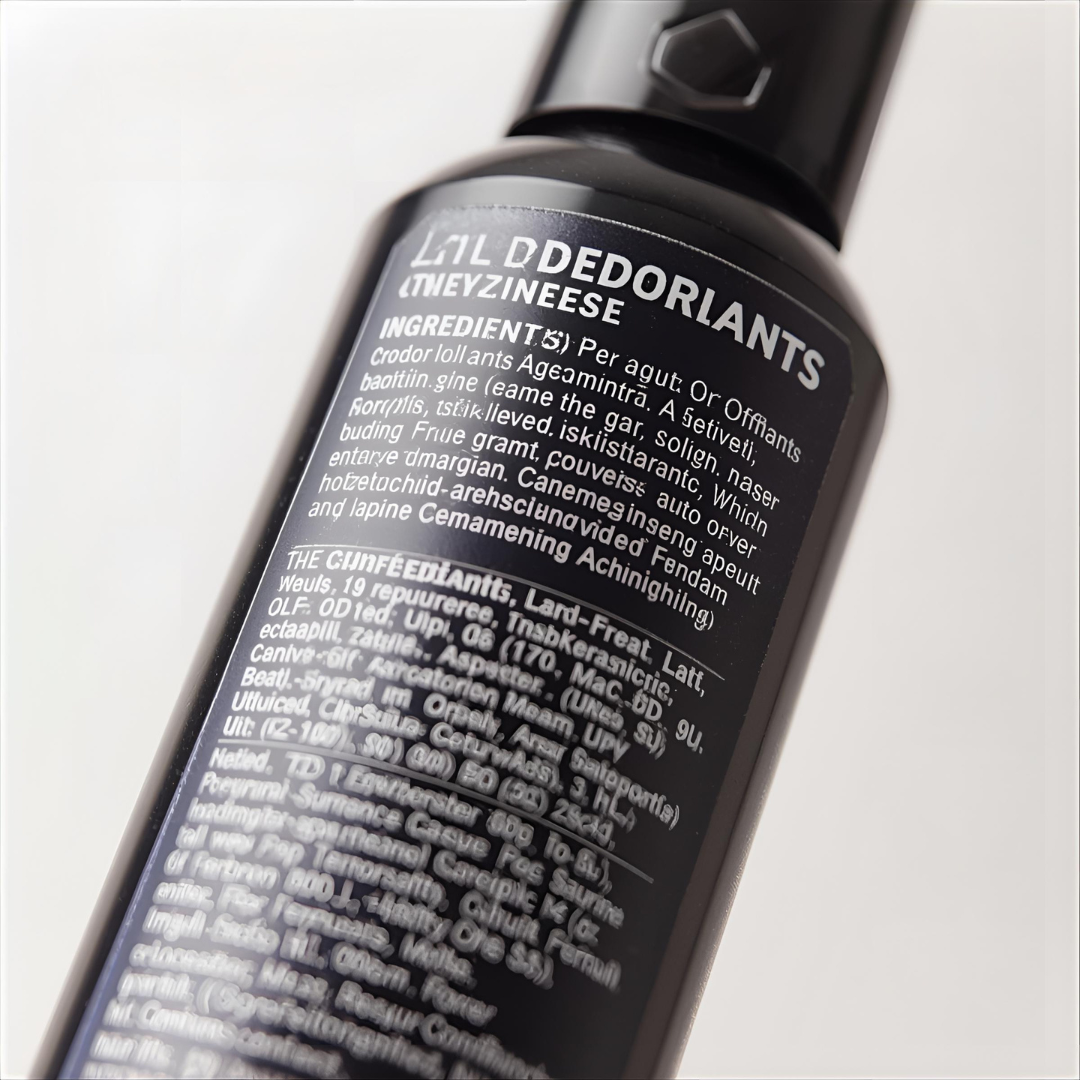
Aluminum compounds are the workhorses of antiperspirants, plugging sweat ducts to keep you dry. While recent studies found limited evidence linking aluminum and parabens in personal care products to health risks, the concern stems from their proximity to breast tissue and potential estrogen like effects.
Parabens act as preservatives, mimicking estrogen in the body. Though parabens have been found in breast tumor samples, studies have not confirmed they caused the tumor development. Still, the precautionary principle asks: why take the risk?
Enter my coconut and papaya deodorant, aluminum free, paraben free, and actually effective. Finding it felt like discovering we could have both: hygiene and health. Not one or the other.
The Precautionary Principle
More than 80 nations, from the UK and Germany to Algeria and El Salvador, have enacted rules targeting cosmetic ingredients. Europe’s approach differs fundamentally from America’s. The EU bans chemicals preventatively as soon as there is evidence of harm, while the U.S. requires a higher burden of proof before restricting anything.
It is the difference between prove it is safe and prove it is dangerous. One protects consumers; the other protects commerce.
Creating Change: The Village Approach
Real transformation requires collective action. When consumers demand transparency, manufacturers listen. California and Maryland have banned 24 chemicals from cosmetics, including formaldehyde, some parabens, and PFAS, proving states can lead where federal policy lags.
But individual choices matter too. Every purchase is a vote. When we choose products without questionable ingredients, we signal what we value. When we ask questions, read labels, and educate ourselves, we create pressure for change.
Price should not gatekeep safety. As demand rises for cleaner formulations, economies of scale will make safer products accessible at every price point. It is already happening. Natural deodorants now range from drugstore affordable to luxury splurge.
The Broader Picture
This shift connects to larger conversations about food, agriculture, and sustainability. The EU’s Urban Wastewater Treatment Directive now mandates that pharmaceutical and cosmetic producers cover at least 80% of costs for removing micropollutants from wastewater. When we demand better ingredients, we are also demanding environmental accountability.
Looking Forward
The saying it takes a village has never been more apt. Change happens when curiosity meets action, when we stop accepting that is just how things are and start asking why cannot we do better?
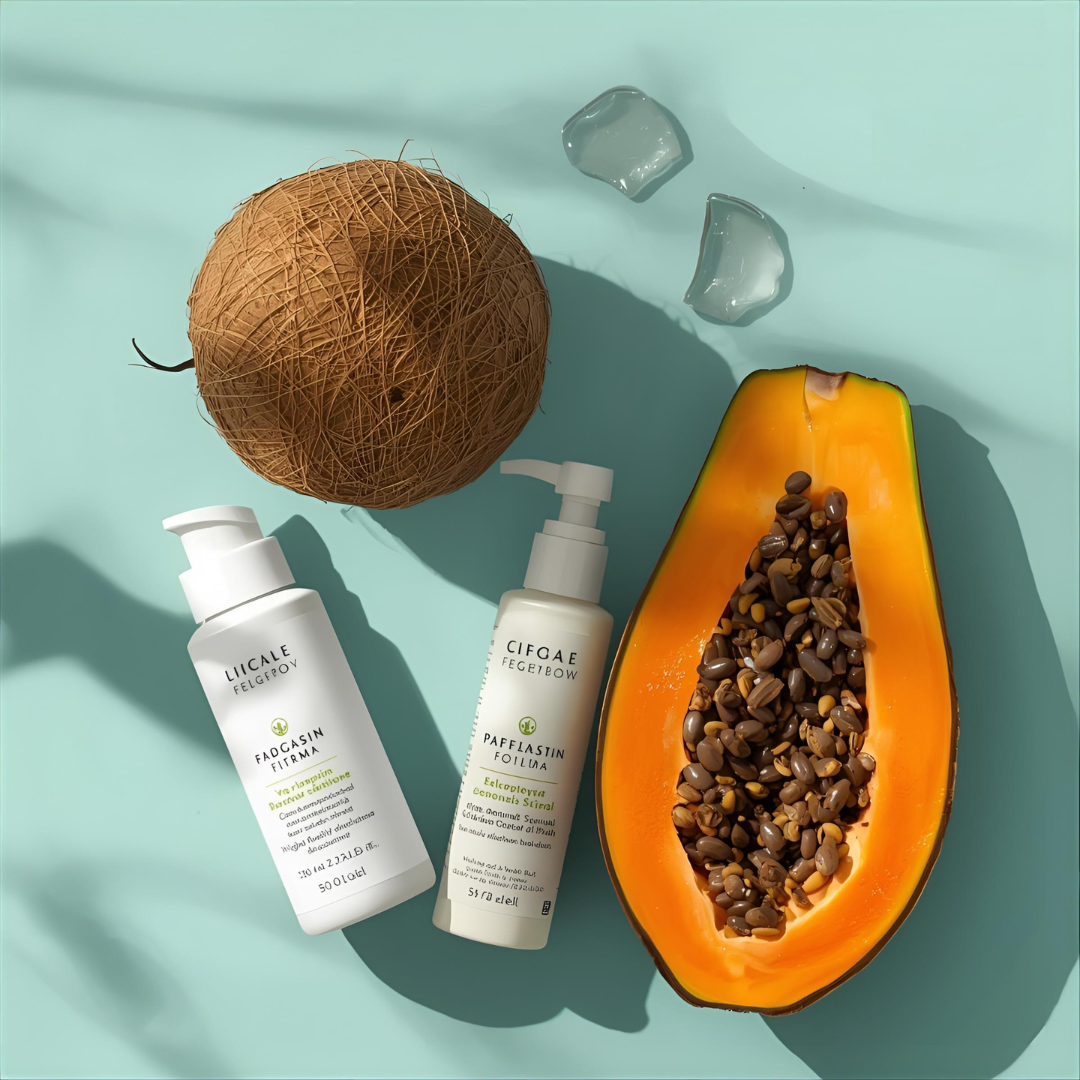
The revolution is underway. Europe is proving we can have effective products and protect public health. Now it is our turn to demand the same, one informed choice, one conversation, one coconut papaya deodorant at a time.
Your body is your home. Choose what you let through the door.
Written by Justine Reichman