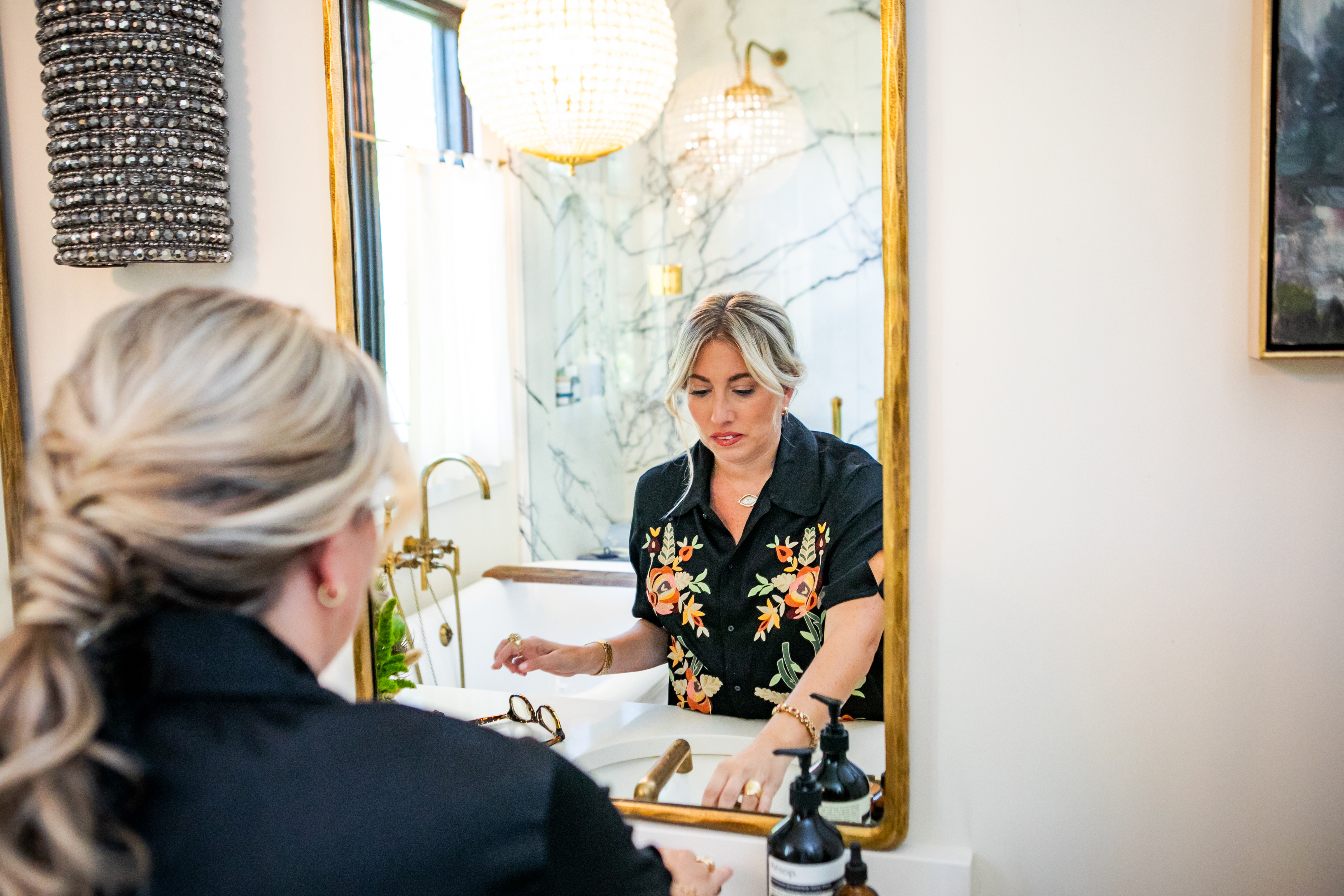

The Pressure to Be Perfect Is Making Us Sick. Here Is What to Do Instead.
Perfectionism is rising and harming mental health. Learn 7 practical ways to choose purpose over perfection and build a healthier, more balanced life.
May is Mental Health Awareness Month. And this year, we are not talking about it quietly.
Here is what nobody is saying out loud: the culture of doing it right, eating the right way, wearing the right things, living the right life, is not motivating us. It is breaking us.
Research published in Psychological Bulletin tracked more than 41,000 college students across three decades and found that socially prescribed perfectionism, the feeling that others demand flawlessness from us, rose by 33 percent between 1989 and 2016. Thirty-three percent. In a single generation. And a landmark meta-analysis published in Cognitive Behaviour Therapy confirmed what many of us already feel in our bodies: perfectionism has significant, measurable correlations with anxiety, depression, and OCD.
We are not failing to be perfect. Perfectionism is failing us.
The shame that comes with not doing things the right way, not fitting the mold, not keeping up, is not a personal weakness. It is a public health issue. And this May, we are changing the conversation.
The through line in everything we talk about at NextGen Purpose—food, fashion, beauty, lifestyle, home—is the same thread that runs through mental health: when we stop chasing someone else’s version of perfect and start making choices rooted in our own values, something shifts. We feel better. The research backs this up. A randomized controlled trial published in Frontiers in Psychology found that brief interventions focused on self-compassion produced significant reductions in perfectionism, anxiety, and depression. Not willpower. Not a stricter routine. Compassion for yourself.
That is the whole thesis. And here is how to put it into practice.

7 Ways to Choose Purpose Over Perfection and Protect Your Mental Health
One. Let go of someone else’s food rules.
Eating the right way has become a source of anxiety rather than nourishment for millions of people. Start with one meal this week made from something you chose, cooked, or grew. Intention over perfection. The goal is connection, not compliance.
Two. Stop refreshing your wardrobe to feel worthy.
The urge to buy something new when you feel stuck is real. It is also tied to the social comparison loop that feeds perfectionism. Research from WRAP shows that wearing what you already own just nine months longer reduces your fashion footprint by up to 30 percent. Your closet is already enough. So are you.
Three. Reframe your home as a place of restoration, not performance.

Your home does not need to be staged for anyone. It needs to feel like yours. Rotating what you already have across seasons, pulling out what was put away, is not a compromise. It is conscious living. The standard is how it makes you feel, not how it looks to others.
Four. Give yourself permission to do things imperfectly and still count them.
Ordered delivery three nights this week instead of cooking from your garden? It still counts. Wore the same outfit twice? It still counts. Missed your workout? It still counts that you showed up everywhere else. Progress is cumulative. Shame is not a strategy.
Five. Audit whose voice you are listening to.
Socially prescribed perfectionism, the kind driven by what we believe others expect of us, is the most psychologically damaging form. Before you make a choice today, ask: is this what I actually want, or is this what I think I am supposed to want? That question alone is radical.
Six. Make one values-aligned choice and notice how it feels.

Not ten. One. Research from the National Institutes of Health links even small reductions in the gap between our values and our behavior to measurable improvements in wellbeing. One choice. One degree of alignment. That is where change begins.
Seven. Talk about it.
The shame around not being perfect is loudest in silence. Name what you are carrying—in the comments here, with a friend, with a therapist. Research from Dr. Kristin Neff at the University of Texas confirms that self-compassion, the simple act of treating yourself with the same kindness you would offer a friend, reduces anxiety and depression and builds lasting resilience.
The Bottom Line
Purpose over perfection is not a wellness catchphrase. It is a mental health intervention.
This May, we are not asking you to be better. We are asking you to be honest. About what you actually value. About where you are putting pressure on yourself that was never yours to carry. About what a life built on purpose, not performance, could actually feel like.

What is one thing you are letting go of this month? Tell us. Let us make this conversation as loud as the culture that made perfectionism feel normal in the first place.
Sources referenced in this article:
Curran, T. and Hill, A.P. Perfectionism Is Increasing Over Time: A Meta-Analysis of Birth Cohort Differences from 1989 to 2016. Psychological Bulletin, American Psychological Association, 2019.
Limburg, K. et al. The Relationships Between Perfectionism and Symptoms of Depression, Anxiety and OCD in Adults: A Systematic Review and Meta-Analysis. Cognitive Behaviour Therapy, 2023.
Woodfin, V. et al. A Randomized Control Trial of a Brief Self-Compassion Intervention for Perfectionism, Anxiety, Depression, and Body Image. Frontiers in Psychology, 2021.
WRAP (Waste and Resources Action Programme). Extending Product Lifetimes: Clothing Durability Research, 2024.
NIH, PMC6465641. The Complexities of Minding the Gap: Perceived Discrepancies Between Values and Behavior Affect Well-Being.
Neff, K. Self-Compassion Research. University of Texas at Austin. self-compassion.org.
The Journal
Get essays like this in your inbox
New pieces every week on wellness, sustainability, food, and conscious living.
The Essential Ingredients Letter · Free
Get the letter. Stay in the conversation.
Enjoyed this episode? Justine sends one newsletter every Thursday on conscious living — food, wellness, sustainability, and the choices that compound.
Every Thursday · No spam · Cancel any time
Subscribe to the podcast
Never miss a Tuesday conversation. Subscribe or follow on your favorite listening app.
Free · Every Thursday
Subscribe
Enter your email below.