Human-Centered Commerce in an Automated World
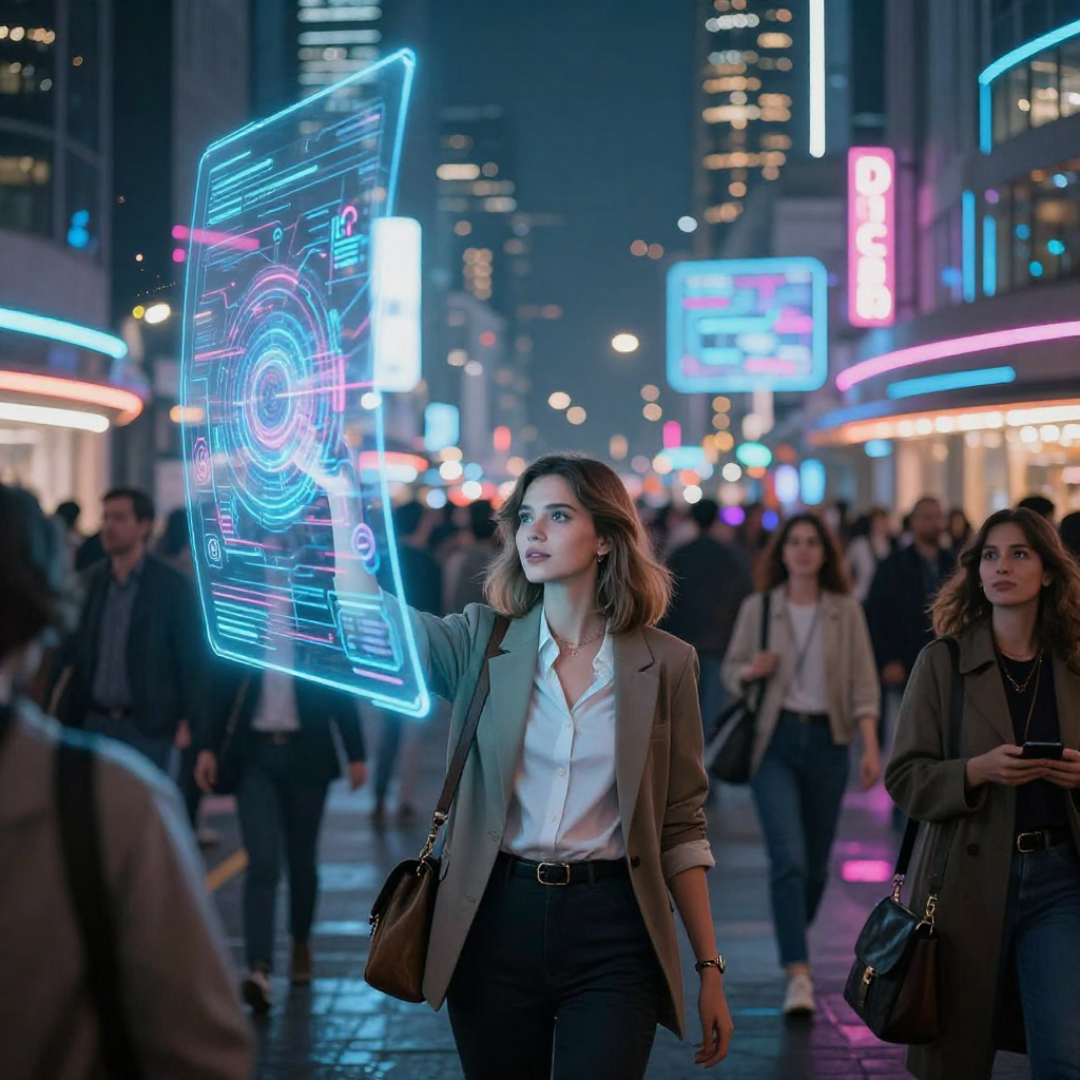
AI is rapidly reshaping how products are developed, marketed, and sold. Speed, efficiency, and optimization are becoming baseline expectations across nearly every industry. But alongside this acceleration, another shift is taking place, one that is quieter and more human.
People are increasingly paying for experience, not just goods or services.
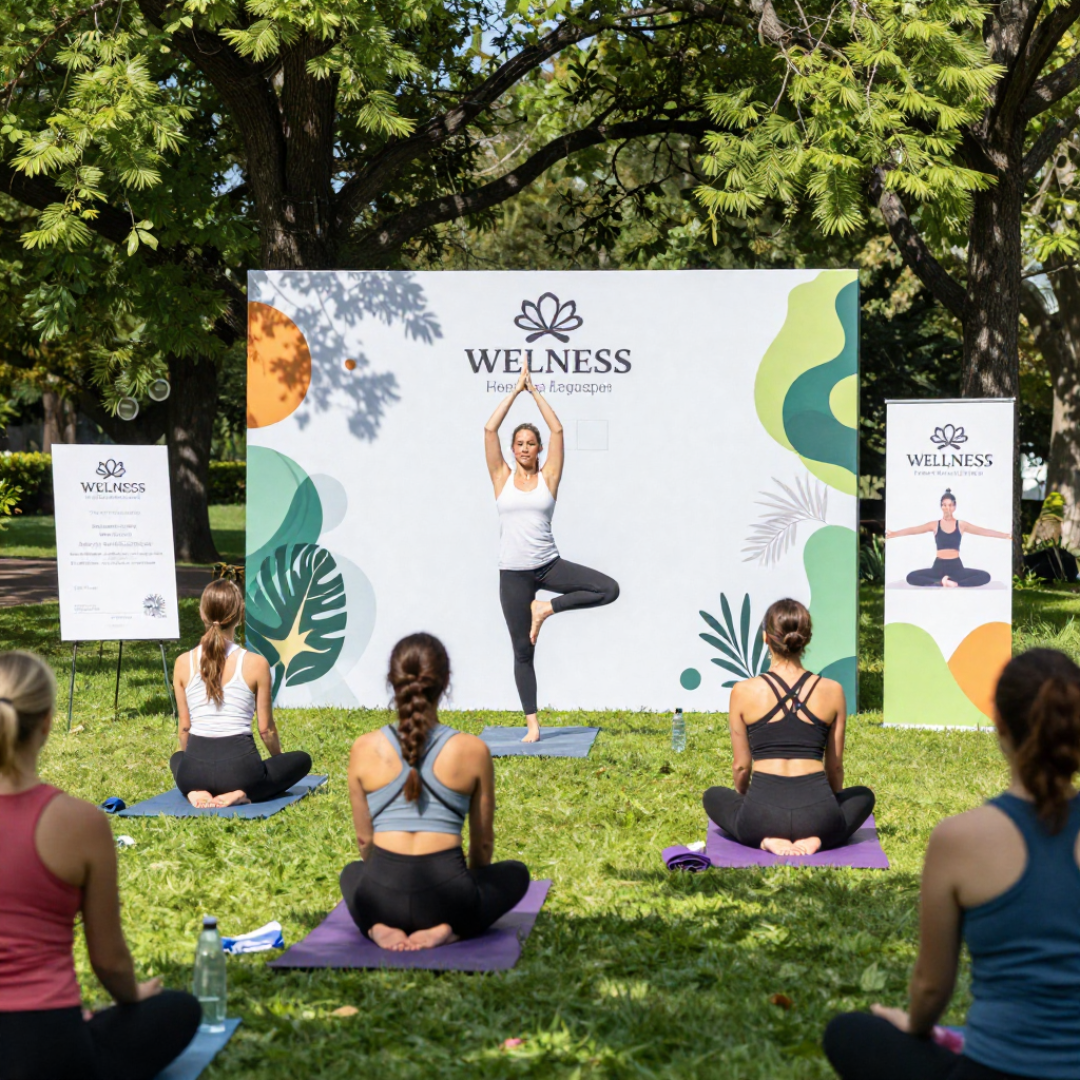
Across food, wellness, hospitality, fashion, and media, value is moving toward immersion, presence, and place. The brands resonating most strongly today are not simply solving problems faster. They are creating environments where people feel connected, informed, and grounded. This reflects a broader framework often referenced as human-centered commerce.
Human-centered commerce does not reject technology. It asks a different question. What should technology support rather than replace?
As AI becomes capable of generating content, optimizing pricing, and automating engagement, the human elements of trust, education, and care are becoming more valuable, not less. Consumers are gravitating toward brands that understand context. How food fits into daily rituals. How wellness is shaped by environment. How place influences behavior, loyalty, and belonging.
This shift requires ecosystem thinking.
Food is no longer just nutrition.
Wellness is no longer a single product.
Retail is no longer just a transaction.
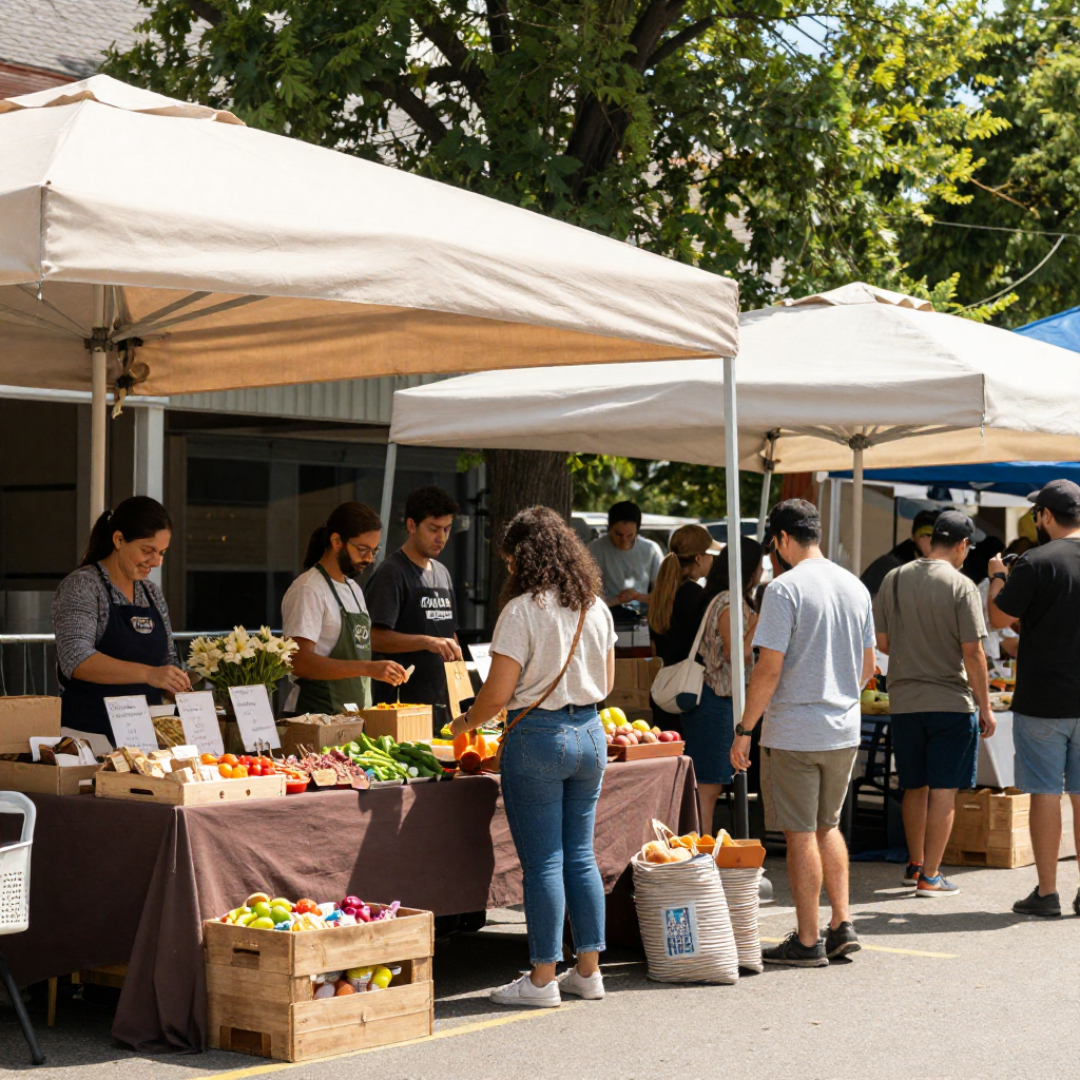
The most resilient brands operate at the intersections. They collaborate across categories, build physical and cultural presence, and design experiences that cannot be fully digitized. These brands understand that meaning does not scale the same way efficiency does, and that distinction matters.
Education plays a critical role in this transition. As systems become more complex, people want clarity, not oversimplification. Human-centered brands help consumers, retailers, and partners understand how choices connect, from sourcing and labor to health and community impact. This kind of education builds trust over time, something no algorithm can accelerate.
Policy and infrastructure also shape what is possible. Human-centered commerce depends on alignment between innovation and regulation, between private enterprise and public systems. Translation across these sectors is essential if meaningful change is going to move beyond intention and into practice.
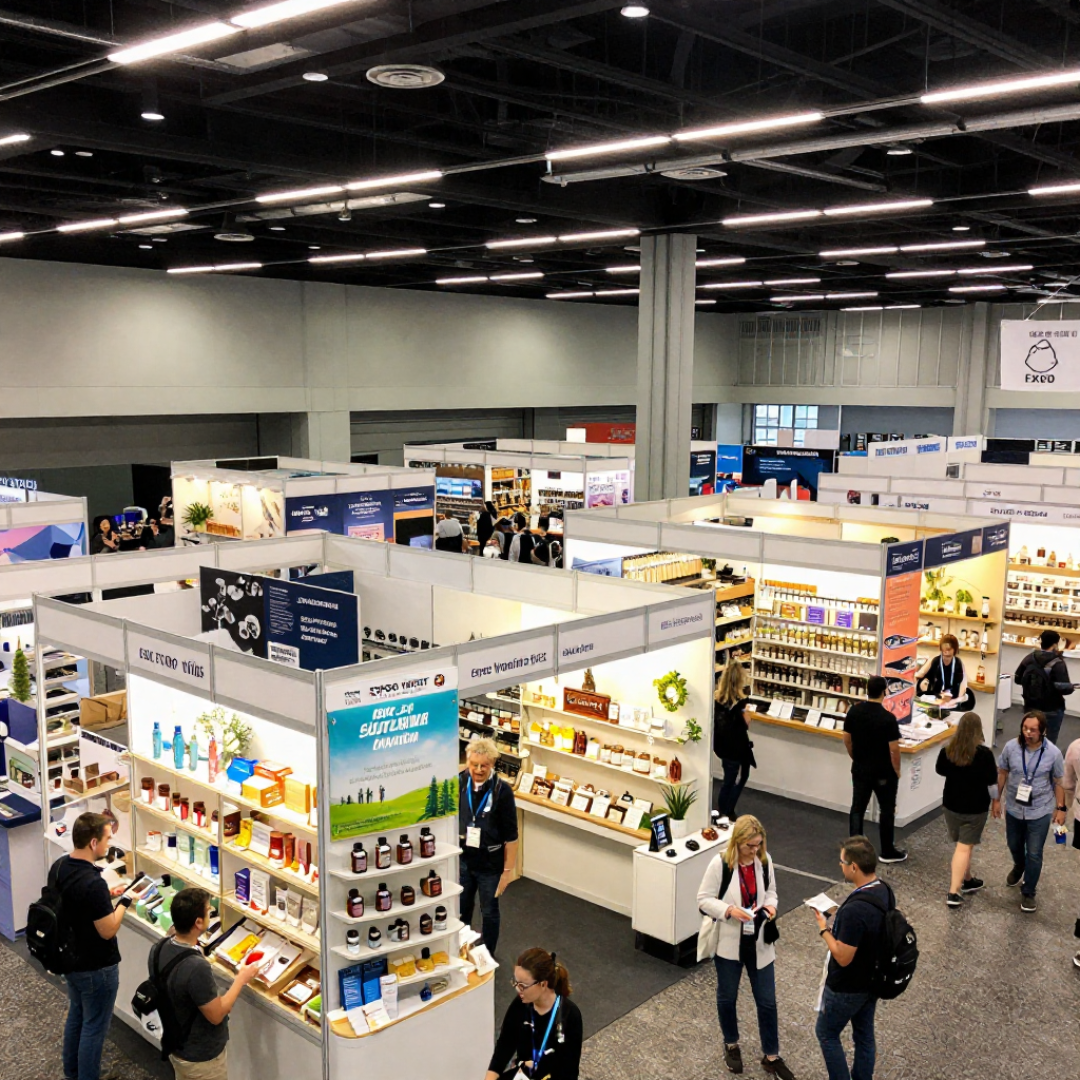
This shift will be visible at Expo West 2026, the largest natural products trade show in the world. More than a marketplace, Expo West functions as a cultural signal. It shows where food, wellness, and consumer values are headed next.
As we move toward Expo West, the opportunity is clear. Pay attention to the brands and collaborations that treat experience as value, place as strategy, and people as participants rather than endpoints.
In an automated world, human-centered commerce is not a trend.
It is a necessary evolution
Written by Merril Gilbert